
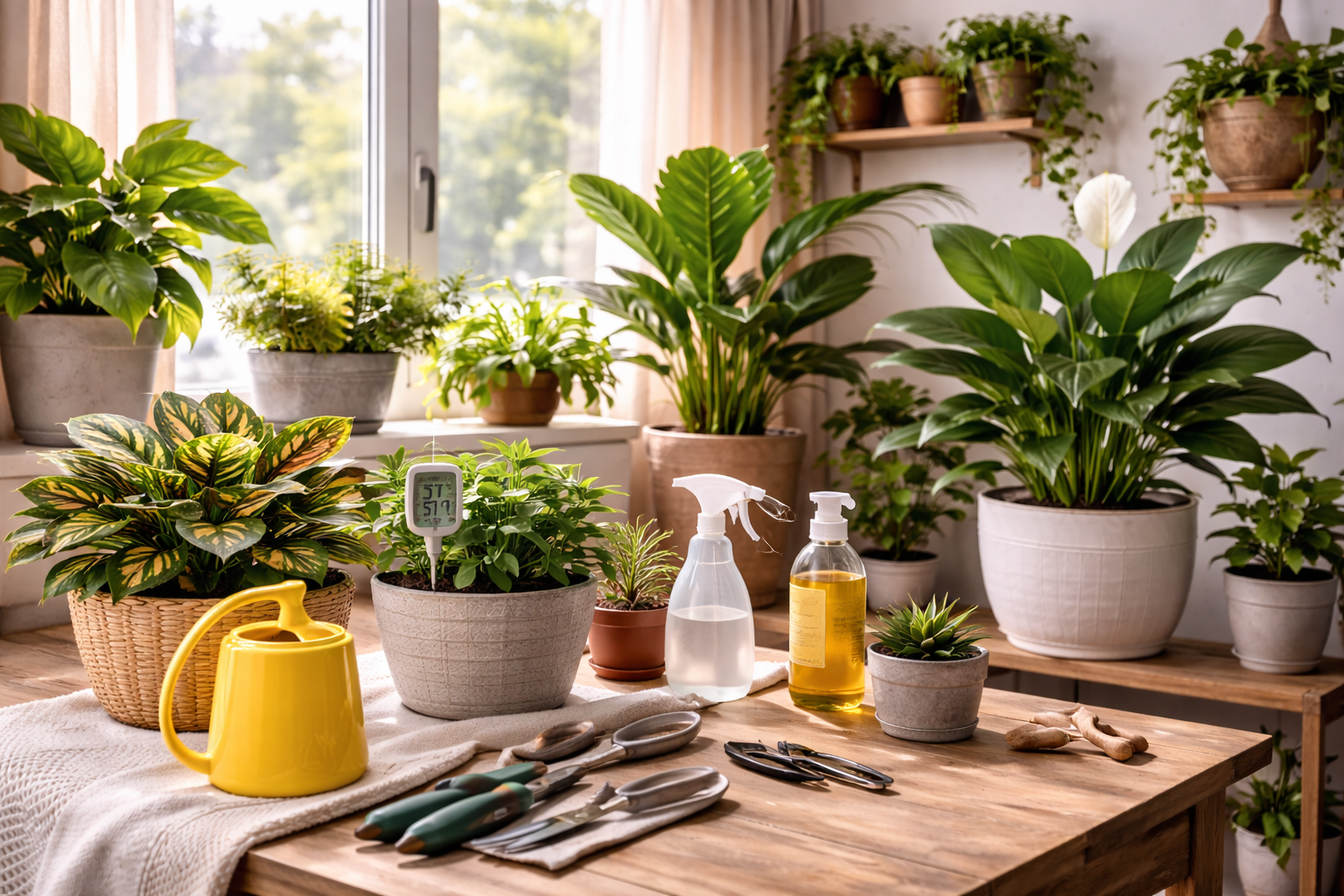
Few things are more frustrating for plant lovers than watching healthy-looking plants slowly wilt indoors. Drooping leaves, weak stems, and dull colors are clear signs that something isn’t right. The good news is that most cases of indoor plant wilting are caused by simple, fixable issues related to care, environment, or routine.
This article will guide you through practical, proven tips to prevent plants from wilting inside your home. You’ll learn how to identify the causes, adjust daily care, and create the right conditions so your plants stay strong, upright, and healthy year-round.
Understanding Why Indoor Plants Wilt
Wilting happens when plants lose more water than they can absorb. This imbalance affects the pressure inside plant cells, causing leaves and stems to lose firmness.
While lack of water is a common reason, wilting can also be caused by overwatering, poor light, temperature stress, or root problems. That’s why simply watering more is not always the solution.
Understanding the real cause of wilting is the first step toward preventing it.
Checking Watering Habits Carefully
Improper watering is the most common reason indoor plants wilt. Both underwatering and overwatering can lead to the same visible symptom: drooping plants.
Underwatered plants lose moisture too quickly, while overwatered plants develop damaged roots that can no longer absorb water efficiently. In both cases, the plant becomes dehydrated.
Always check the soil before watering. If the top layer is dry, watering may be needed. If it’s still moist, waiting is often the best option.
Learning Each Plant’s Water Needs
Not all plants require the same amount of water. Some prefer consistently moist soil, while others need the soil to dry out between waterings.
Succulents, snake plants, and ZZ plants store water and need less frequent watering. Ferns and peace lilies prefer more consistent moisture.
Learning the specific needs of each plant helps prevent accidental stress and wilting.
Using Pots with Proper Drainage
Drainage plays a critical role in preventing wilting. Pots without drainage holes trap excess water, which can suffocate roots and cause rot.
Even if a plant appears dry on top, roots may be sitting in water below. This prevents oxygen absorption and leads to drooping leaves.
Always choose pots with drainage holes and empty saucers after watering to avoid standing water.
Choosing the Right Soil for Indoor Plants
Soil quality affects how well water and air reach plant roots. Heavy or compacted soil holds too much water and restricts airflow.
Using well-draining potting mix designed for indoor plants helps maintain a healthy balance. Adding materials like perlite or sand improves drainage and aeration.
Healthy roots are the foundation of strong, non-wilting plants.
Ensuring Adequate Light Exposure
Insufficient light weakens plants and reduces their ability to manage water efficiently. Plants that don’t receive enough light may grow slowly, stretch toward windows, and wilt more easily.
Observe how much natural light your space receives throughout the day. Place plants according to their light requirements, whether bright indirect light or low-light conditions.
Rotating plants regularly ensures even exposure and balanced growth.
Avoiding Excessive Direct Sunlight
While light is essential, too much direct sunlight can also cause wilting. Intense sun increases water loss through leaves and can scorch plant tissue.
Leaves may curl, droop, or develop brown edges. This is common when plants are placed near windows with strong midday sun.
Using sheer curtains or moving plants slightly away from windows helps protect them from excessive heat.
Managing Indoor Temperature Stability
Sudden temperature changes stress indoor plants. Cold drafts, heaters, and air conditioning can all contribute to wilting.
Most houseplants prefer stable temperatures without extreme fluctuations. Avoid placing plants near vents, radiators, or frequently opened doors.
A consistent environment allows plants to regulate water use more effectively.
Increasing Humidity When Necessary
Dry indoor air, especially in air-conditioned or heated homes, increases moisture loss from leaves. This can cause wilting even when soil moisture is adequate.
Plants like calatheas, ferns, and peace lilies are especially sensitive to low humidity.
Increasing humidity by grouping plants, using water trays, or running a humidifier helps reduce stress and maintain leaf firmness.
Improving Air Circulation Without Stress
Good air circulation helps prevent mold and pests, but strong airflow can dry plants out too quickly.
Avoid placing plants directly in front of fans or air conditioning units. Gentle, indirect airflow is ideal.
Balanced air movement supports healthy transpiration without causing dehydration.
Feeding Plants Correctly
Nutrient imbalances can weaken plants and make them more prone to wilting. Over-fertilizing can burn roots, while under-fertilizing may slow growth and reduce strength.
Use a balanced fertilizer during active growth periods and follow recommended dilution guidelines.
Avoid fertilizing stressed or wilting plants until the underlying issue is resolved.
Watching for Root-Bound Plants
When plants outgrow their pots, roots become crowded and less effective at absorbing water. This often leads to frequent wilting even after watering.
Signs include roots growing out of drainage holes or water running straight through the pot.
Repotting into a slightly larger container allows roots to spread and absorb moisture more efficiently.
Inspecting for Pests and Diseases
Pests such as spider mites, aphids, and fungus gnats weaken plants by feeding on sap or damaging roots. This can cause leaves to droop and lose strength.
Regularly inspect leaves, stems, and soil for signs of insects or unusual discoloration.
Early detection makes treatment easier and prevents long-term damage.
Cleaning Leaves to Improve Plant Health
Dust buildup blocks light and reduces photosynthesis. Plants covered in dust often appear dull and weak.
Gently wiping leaves with a damp cloth improves light absorption and overall vigor.
Healthy leaves are more resistant to wilting and environmental stress.
Avoiding Frequent Changes in Plant Location
Moving plants too often can disrupt their adjustment to light, temperature, and humidity conditions.
Plants need time to adapt to their environment. Constant relocation can cause stress and lead to wilting.
Choose a suitable spot and allow plants to settle before making changes.
Creating a Consistent Care Routine
Consistency is one of the most effective ways to prevent wilting. Irregular watering, random feeding, or sudden changes in care confuse plants.
Set a simple routine for checking soil moisture, light exposure, and overall appearance.
A predictable routine helps plants maintain balance and resilience.
Understanding Natural Plant Behavior
Not all drooping is a sign of a serious problem. Some plants naturally droop slightly at certain times of day or during growth adjustments.
Observing patterns helps distinguish temporary changes from real issues.
Patience and observation are essential skills for successful indoor plant care.
Helping Indoor Plants Stay Strong and Upright
Preventing plants from wilting indoors is all about balance. When water, light, temperature, and humidity are properly managed, plants can maintain strong stems and healthy leaves.
By understanding plant needs and responding thoughtfully, you create an environment where plants thrive rather than struggle.
With consistent care and attention, indoor plants remain vibrant, resilient, and full of life—adding beauty and comfort to your home every day.