
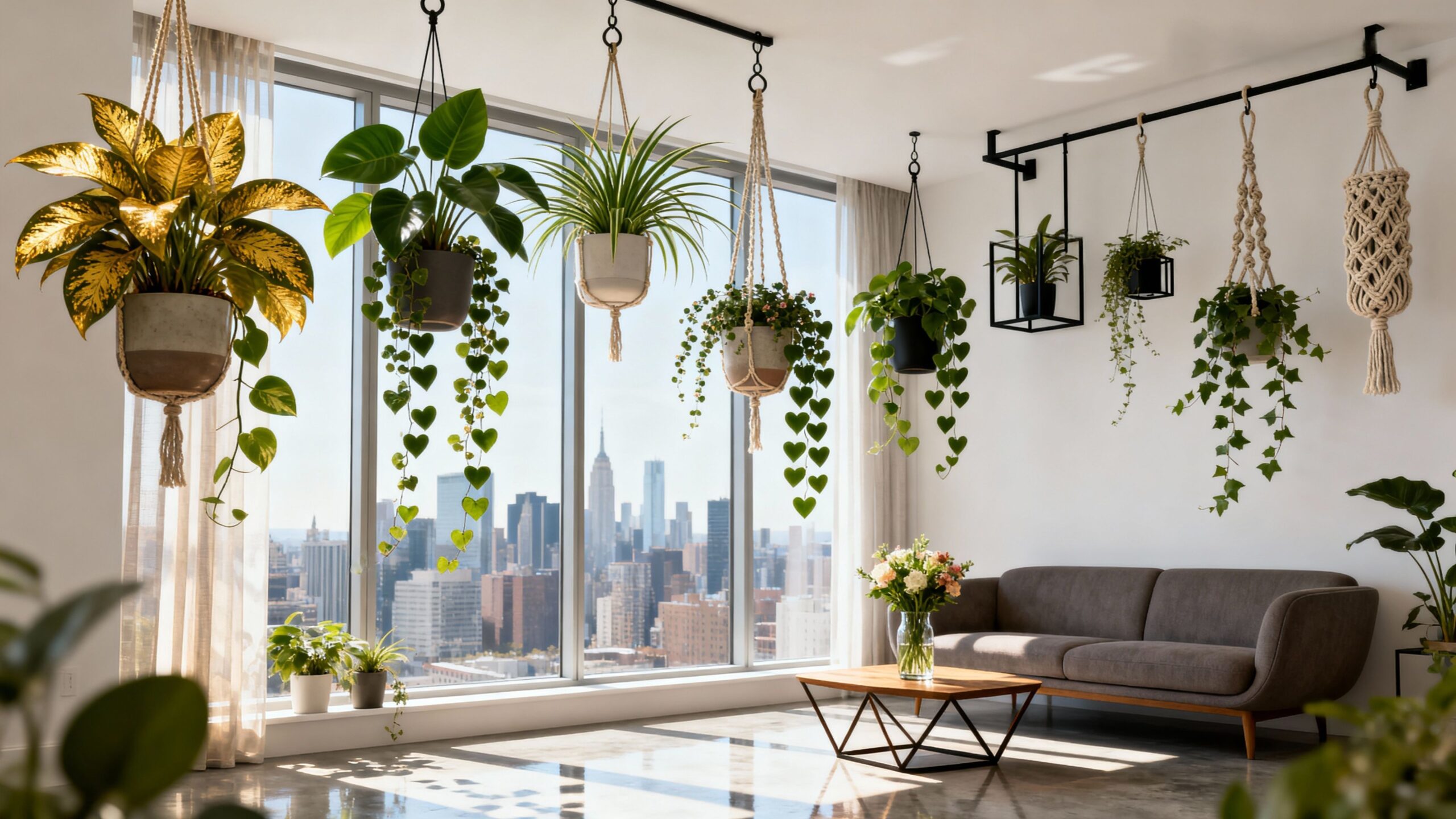
Hanging plants have become one of the most popular choices for indoor decoration, especially in apartments and homes with limited floor space. Their trailing leaves add movement, depth, and a natural flow to interiors, transforming plain rooms into warm, inviting environments. Beyond aesthetics, hanging plants are practical, versatile, and often easier to maintain than large floor plants.
In this article, you will discover the best hanging plants for indoor spaces, how to care for them properly, and how to use them to enhance your home’s design. Whether you are a beginner or an experienced plant lover, this guide will help you choose hanging plants that thrive indoors and look beautiful year-round.
Why Hanging Plants Are Ideal for Indoor Environments
Hanging plants are perfect for indoor spaces because they maximize vertical space. Instead of occupying valuable floor areas, they use walls, ceilings, and shelves, making them ideal for apartments and smaller rooms.
They also create visual interest by drawing the eye upward, making rooms feel taller and more dynamic. In addition, hanging plants often receive better air circulation, which can contribute to healthier growth when properly placed.
For people who want greenery without clutter, hanging plants offer a smart and stylish solution.
Key Factors to Consider Before Choosing Hanging Plants
Before selecting hanging plants, it’s important to evaluate your indoor environment. Light availability is one of the most important factors. Some hanging plants thrive in bright, indirect light, while others tolerate low-light conditions.
Humidity and temperature also matter. Many trailing plants come from tropical regions and prefer moderate humidity and stable indoor temperatures.
Finally, consider maintenance. Some hanging plants require frequent watering and pruning, while others are more forgiving and suitable for busy lifestyles.
Pothos: A Classic and Reliable Choice
Pothos is one of the most popular hanging plants for indoor spaces, and for good reason. It adapts easily to a wide range of light conditions, from low light to bright indirect light.
Its trailing vines grow quickly and can reach impressive lengths, making it ideal for shelves and hanging baskets. Pothos is also known for its resilience, tolerating occasional missed waterings.
This plant is perfect for beginners and anyone looking for a low-maintenance option.
Philodendron: Elegant and Easy to Care For
Trailing philodendrons are another excellent choice for indoor hanging plants. They have heart-shaped leaves and a soft, flowing appearance that adds warmth to any room.
Philodendrons thrive in indirect light and prefer evenly moist soil. They are adaptable and generally forgiving, making them suitable for a variety of indoor environments.
Their elegant look works well in living rooms, bedrooms, and even offices.
Spider Plant: Light, Airy, and Adaptable
Spider plants are known for their arching leaves and small offshoots that hang gracefully from the main plant. They are especially popular in hanging baskets.
These plants tolerate a wide range of light conditions and are easy to care for. They prefer moderate watering and adapt well to indoor humidity levels.
Spider plants are a great option for adding a fresh, lively touch to interiors without demanding too much attention.
String of Hearts: Delicate and Decorative
String of hearts is a visually striking hanging plant with thin trailing stems and small, heart-shaped leaves. Its delicate appearance makes it ideal for decorative indoor spaces.
This plant prefers bright, indirect light and well-draining soil. Overwatering should be avoided, as it stores water in its leaves.
String of hearts works beautifully in minimal and modern interiors, adding elegance without overwhelming the space.
English Ivy: Classic and Versatile
English ivy is a classic trailing plant that adapts well to indoor environments when given proper care. Its small, lush leaves create a dense, cascading effect.
This plant prefers bright, indirect light but can tolerate moderate light levels. It enjoys slightly moist soil and benefits from occasional misting.
English ivy works well in kitchens, living rooms, and spaces with good airflow.
Boston Fern: Lush and Full of Texture
Boston ferns are known for their full, feathery fronds that create a rich, green cascade when placed in hanging baskets.
They prefer indirect light and higher humidity, making them ideal for bathrooms or rooms with consistent moisture in the air.
With proper care, Boston ferns add a soft, natural texture that enhances indoor comfort and relaxation.
Tradescantia: Colorful and Fast-Growing
Tradescantia plants are popular for their vibrant foliage, often featuring shades of green, purple, and silver. Their trailing growth makes them perfect for hanging planters.
They grow quickly and prefer bright, indirect light to maintain their color. Tradescantia plants enjoy regular watering but should not sit in soggy soil.
These plants add color and personality to indoor spaces with minimal effort.
Choosing the Right Hanging Containers
The container you choose plays an important role in plant health. Hanging pots should be lightweight, especially when filled with soil and water.
Drainage holes are essential to prevent water buildup. Using pots with attached saucers or removable liners helps manage excess water safely indoors.
Macramé hangers, metal holders, and wall-mounted brackets are popular options for displaying hanging plants stylishly.
Ideal Placement for Hanging Plants Indoors
Placement affects both plant health and visual impact. Hanging plants should receive adequate light without being exposed to harsh direct sunlight.
They work well near windows, above shelves, or in corners where they can cascade freely. Avoid placing them too close to heaters or air conditioning vents.
Proper placement ensures steady growth and prevents unnecessary stress.
Watering Hanging Plants Correctly
Watering hanging plants can be challenging due to their elevated position. Overwatering is a common issue, especially if drainage is limited.
Always check soil moisture before watering. Some people prefer removing the pot from its hanger to water thoroughly and allow excess water to drain.
Consistent but careful watering keeps hanging plants healthy and prevents root problems.
Maintaining Healthy Growth Over Time
Regular maintenance helps hanging plants look their best. Pruning long or leggy stems encourages fuller growth and prevents tangling.
Cleaning leaves occasionally removes dust and improves light absorption. Monitoring for pests ensures problems are addressed early.
A simple routine keeps hanging plants vibrant and attractive year-round.
Combining Hanging Plants with Interior Design
Hanging plants complement many interior styles. In modern spaces, simple planters and clean lines create a balanced look.
In cozy or bohemian interiors, layered hanging plants add warmth and depth. Mixing different trailing lengths creates visual interest without overcrowding.
Thoughtful arrangement enhances both the plants and the room itself.
Making Hanging Plants Work in Small Apartments
Hanging plants are especially useful in small apartments where floor space is limited. They allow you to enjoy greenery without sacrificing functionality.
Using vertical space makes rooms feel more open and organized. Even a few hanging plants can dramatically improve the atmosphere.
They offer an easy way to bring nature indoors, regardless of space constraints.
Creating a Healthier and More Inviting Indoor Space
Hanging plants do more than decorate. They help create a calming, welcoming environment that improves the overall feel of a home.
By choosing the right plants and caring for them properly, you can enjoy lush greenery that enhances daily life.
Hanging plants bring movement, texture, and life to indoor spaces, making them one of the most effective and beautiful choices for interior plant lovers.