
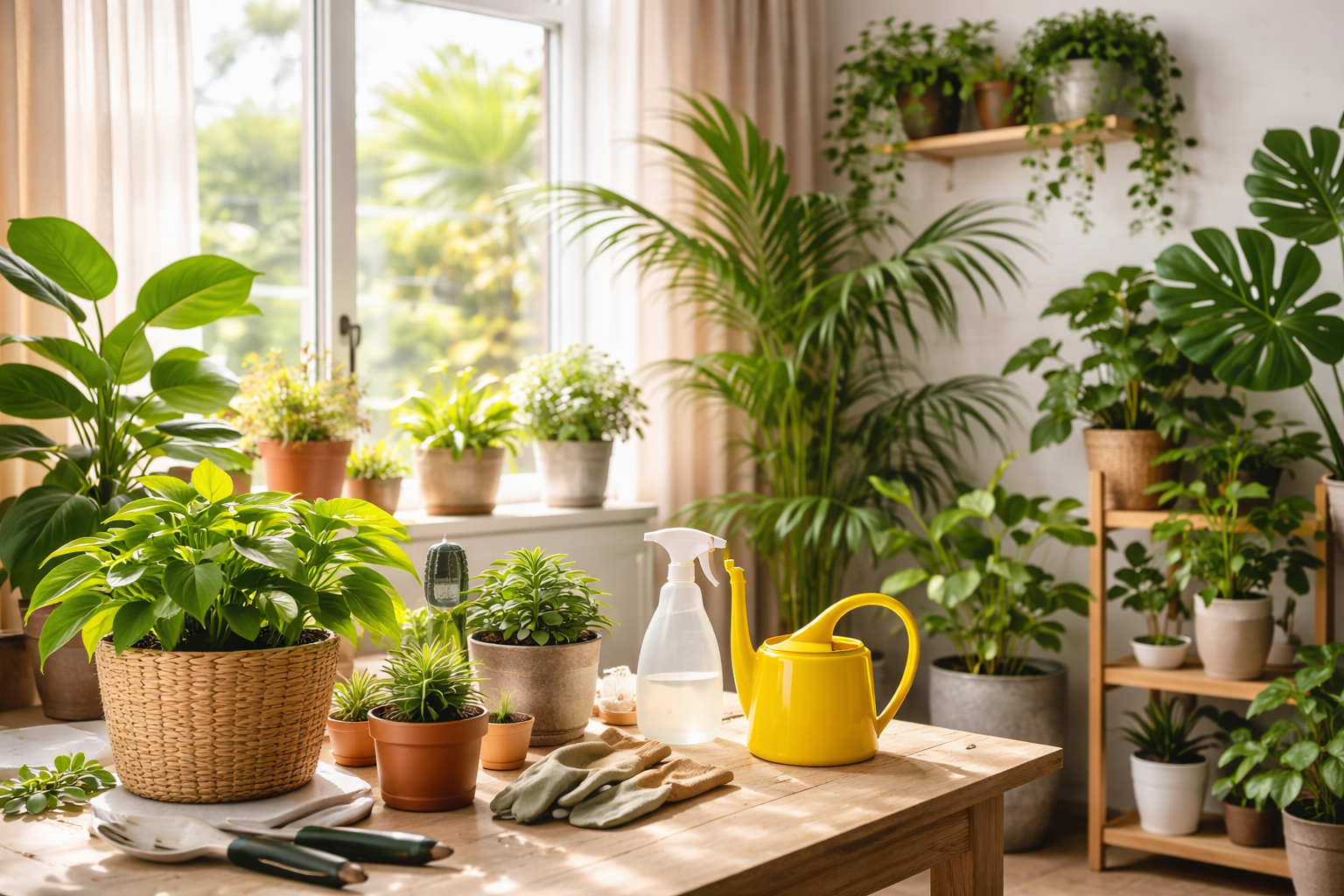
Summer is one of the most challenging seasons for apartment plants. Higher temperatures, stronger sunlight, and faster water evaporation can quickly stress plants if care routines are not adjusted. While summer brings more light and growth potential, it also requires closer attention to hydration, placement, and overall plant health.
This article explains how to properly care for apartment plants during the summer months. You’ll learn how to adapt watering routines, manage sunlight exposure, control heat, and keep plants healthy even during the hottest days. All tips are practical, beginner-friendly, and suitable for small indoor spaces.
Why Summer Requires Special Care for Apartment Plants
During summer, plants grow faster due to increased light and warmth. However, this also means they lose water more quickly and become more vulnerable to heat stress.
Apartments can trap heat, especially in rooms with large windows or limited ventilation. Temperatures indoors may rise higher than expected, which can damage roots, dry out soil, and burn leaves.
Understanding these seasonal changes helps you prevent common summer problems before they affect your plants.
Understanding Heat and Its Impact on Indoor Plants
Heat affects plants in several ways. High temperatures increase water evaporation from soil and leaves, which can cause dehydration even if watering seems regular.
Some plants may respond to heat by drooping, curling leaves, or showing dry, brown edges. Others may slow their growth to protect themselves.
Knowing how your apartment retains heat allows you to make better decisions about plant placement and care during summer.
Adjusting Watering Frequency in Summer
Watering is one of the most important adjustments during summer. Most plants need more frequent watering because soil dries out faster in warm conditions.
However, watering more often does not mean watering excessively. Overwatering can still cause root rot, even in summer.
Always check soil moisture before watering. Insert your finger a few centimeters into the soil. If it feels dry, it’s time to water. If it’s still moist, wait another day.
Watering at the Right Time of Day
The timing of watering also matters during summer. Early morning or late afternoon is ideal.
Watering during the hottest part of the day can cause water to evaporate too quickly, reducing absorption. It can also stress plants that are already dealing with heat.
Consistent timing helps plants absorb moisture more efficiently and reduces shock.
Managing Sunlight Exposure Indoors
Summer sunlight is stronger and more intense. Plants placed near windows may receive more direct sun than they can handle.
Some plants thrive in bright light, but others prefer indirect sunlight. Direct summer sun can burn leaves, leaving brown or yellow patches.
Sheer curtains or moving plants slightly away from windows can help diffuse light while still providing brightness.
Rotating Plants for Even Growth
During summer, plants naturally grow toward the light source. If left in the same position, they may lean or grow unevenly.
Rotating plants every one to two weeks ensures even light exposure. This simple habit helps maintain balanced growth and healthier stems.
It also allows you to monitor all sides of the plant for signs of stress or pests.
Increasing Humidity During Hot Months
Summer heat often lowers indoor humidity, especially in apartments with air conditioning. Many houseplants prefer moderate to high humidity.
Low humidity can cause leaf tips to dry out or curl. Plants such as ferns, calatheas, and peace lilies are particularly sensitive.
You can increase humidity by grouping plants together, placing water trays nearby, or lightly misting leaves when appropriate.
Using Air Circulation Without Causing Stress
Good air circulation helps prevent mold and pests, but strong drafts can stress plants.
If you use fans or air conditioning, avoid placing plants directly in the airflow. Sudden temperature changes can shock leaves and roots.
Gentle, indirect airflow is ideal for maintaining plant health during summer.
Choosing the Right Pots and Soil for Summer
The type of pot and soil affects how quickly moisture evaporates. Terracotta pots dry out faster than plastic or ceramic ones.
During summer, you may need to water plants in terracotta pots more frequently. Alternatively, you can place them inside decorative cache pots to reduce evaporation.
Well-draining soil remains essential. Summer watering should hydrate roots without leaving soil soggy.
Fertilizing Plants During the Summer
Summer is usually the active growing season for many indoor plants. This makes it a good time to fertilize, but moderation is key.
Use a balanced, diluted fertilizer according to plant needs. Over-fertilizing during summer can burn roots, especially when combined with heat.
If a plant appears stressed due to high temperatures, it’s better to pause fertilization until conditions stabilize.
Preventing Common Summer Pests
Warm weather can attract pests such as spider mites, aphids, and fungus gnats. These pests thrive in dry or overly moist conditions.
Regularly inspect leaves, especially undersides, for small spots, webs, or insects. Early detection makes treatment easier.
Keeping plants clean and avoiding excess moisture helps reduce pest problems during summer.
Cleaning Leaves for Better Summer Health
Dust accumulates more quickly during summer due to open windows and increased airflow. Dust blocks sunlight and reduces photosynthesis.
Gently wiping leaves with a damp cloth helps plants absorb light more effectively. This also allows you to check for pests or damage.
Clean leaves improve both plant health and appearance.
Protecting Plants During Heatwaves
Heatwaves can be especially challenging for apartment plants. During extreme heat, plants may need extra protection.
Move plants away from windows receiving direct sun. Increase watering slightly if soil dries faster, but avoid flooding roots.
Creating shaded areas and maintaining consistent indoor temperatures helps plants recover from extreme conditions.
Choosing Summer-Resilient Plants for Apartments
Some plants naturally tolerate summer heat better than others. Snake plants, pothos, ZZ plants, and succulents are known for their resilience.
These plants require less frequent watering and adapt well to temperature changes, making them ideal for hot apartments.
If you struggle with summer plant care, choosing heat-tolerant species can reduce stress and maintenance.
Adjusting Care for Vacation Periods
Summer often includes travel, which can complicate plant care. Before leaving, water plants thoroughly and move them away from direct sun.
Grouping plants together helps maintain humidity. For longer trips, self-watering solutions or trusted help may be necessary.
Planning ahead ensures plants remain healthy while you’re away.
Observing Plant Signals During Summer
Plants communicate stress through visual signs. Drooping leaves, discoloration, or slow growth often indicate heat or watering issues.
Instead of reacting immediately, observe patterns and adjust one factor at a time. Small changes often produce noticeable improvements.
Learning to read these signals is one of the most valuable skills in summer plant care.
Creating a Summer Care Routine That Works
Consistency is essential during summer. Set reminders to check soil, rotate plants, and inspect leaves regularly.
A simple routine helps prevent issues from escalating. It also makes plant care feel manageable, even during busy summer schedules.
Plants thrive best when care is steady rather than reactive.
Helping Your Apartment Plants Thrive All Summer Long
Caring for plants in an apartment during summer requires attention, flexibility, and understanding of seasonal changes. With proper watering, light management, and heat protection, plants can not only survive but thrive during the hottest months.
By adjusting your care routine and observing plant needs closely, you create a healthier indoor environment. Summer becomes a season of growth, vitality, and beauty for both you and your plants, even within the limits of apartment living.