
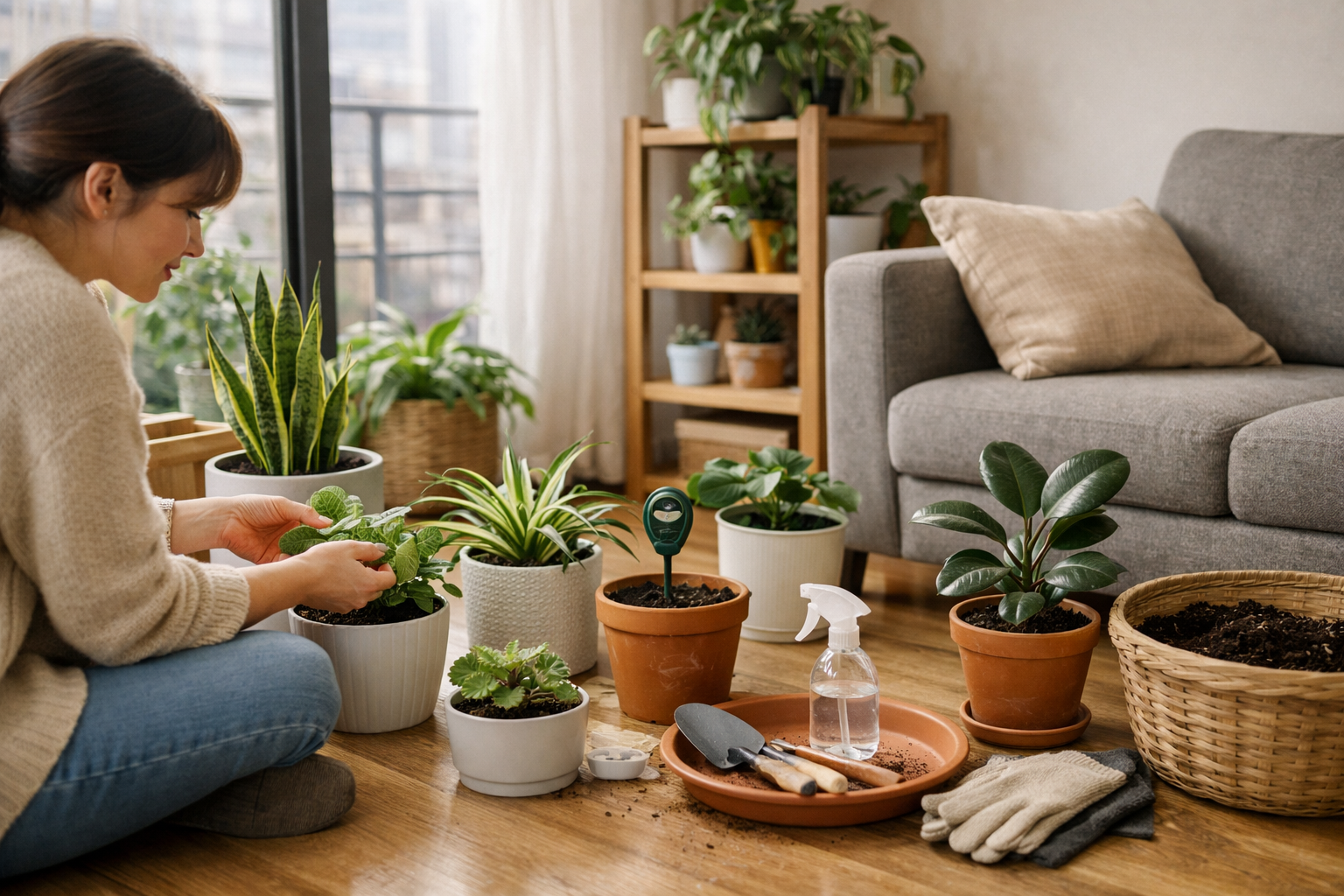
Living in an apartment doesn’t mean giving up on having plants around you. In fact, indoor plants can transform small spaces, bringing life, comfort, and a sense of calm to your daily routine. If you have never cared for plants before, don’t worry. With the right approach, anyone can learn how to keep plants healthy and thriving indoors.
This guide was created especially for beginners who want to start caring for plants in an apartment without feeling overwhelmed. You’ll learn practical tips, common mistakes to avoid, and how to build confidence as you create your own green space.
Why Apartment Living Is Perfect for Beginners
Apartments offer controlled environments. You don’t have to deal with extreme weather, heavy rain, or outdoor pests. This makes plant care more predictable and manageable, especially for those just starting out.
Another advantage is space control. With fewer areas to manage, you can focus on a small number of plants and learn their needs more easily. This helps you develop good habits from the beginning.
Choosing the Right Plants for Beginners
The first step is selecting plants that are known for being easy to care for. Not all plants are suitable for beginners, and starting with demanding species can lead to frustration.
Some characteristics to look for include:
- Slow growth
- Tolerance to low or indirect light
- Minimal watering needs
- Strong resistance to indoor conditions
Plants with thick leaves or sturdy stems usually adapt better to apartment environments. Starting with just two or three plants is ideal.
Understanding Light Inside an Apartment
Light is one of the most important factors for plant health. In apartments, natural light varies greatly depending on window size, direction, and surrounding buildings.
Observe your space during the day:
- Bright indirect light near windows
- Medium light a few steps away from windows
- Low light in corners or hallways
Most beginner-friendly plants prefer indirect light. Avoid placing plants under direct sunlight unless you are sure they can tolerate it, as this can burn the leaves.
Learning How and When to Water
Overwatering is one of the most common mistakes beginners make. Many people believe plants need water every day, but this is rarely true.
A simple rule is to always check the soil before watering. Insert your finger about an inch into the soil:
- If it feels dry, it’s time to water
- If it feels moist, wait a little longer
Water slowly and allow excess water to drain out of the pot. Never let plants sit in standing water, as this can damage the roots.
The Importance of Proper Pots and Drainage
Choosing the right pot is just as important as choosing the right plant. Pots with drainage holes allow excess water to escape, preventing root rot.
If you use decorative pots without holes, place the plant in a plastic pot with drainage first, then insert it into the decorative container. This makes maintenance much easier and safer for beginners.
Creating a Simple Plant Care Routine
Consistency is more important than complexity. You don’t need a complicated schedule to care for plants in an apartment.
A simple routine might include:
- Checking soil moisture once or twice a week
- Observing leaves for changes in color or texture
- Cleaning dust off leaves occasionally
- Rotating plants every few weeks for even light exposure
These small habits help you notice problems early and build confidence over time.
Avoiding Common Beginner Mistakes
Many beginners unintentionally harm their plants by trying too hard. Common mistakes include:
- Watering too often
- Moving plants frequently
- Using too much fertilizer
- Ignoring light requirements
Plants like stability. Once you find a good spot for them, try not to move them unnecessarily.
Adapting Plants to Apartment Conditions
When you bring a new plant home, it needs time to adjust. It’s normal for a plant to look slightly stressed during the first few weeks.
Keep the environment stable:
- Avoid sudden temperature changes
- Keep plants away from air conditioners and heaters
- Maintain consistent watering habits
With patience, most plants will adapt and begin to thrive.
Making Plant Care Part of Your Lifestyle
Caring for plants doesn’t have to feel like a chore. It can become a relaxing part of your daily life. Many people find that watering plants or checking their growth helps reduce stress and increase focus.
Start small, enjoy the process, and allow yourself to learn through experience. Every plant teaches something new.
Building Confidence as a Plant Owner
As you gain experience, you’ll naturally understand your plants better. You’ll recognize signs of thirst, stress, or healthy growth without needing guides or reminders.
Over time, you may feel ready to add more plants or experiment with different varieties. The key is starting slow and building confidence step by step.
Turning Your Apartment Into a Green Space
Even a small apartment can feel more welcoming with plants. A few well-placed pots can change the entire atmosphere of a room.
Plants bring warmth, improve visual balance, and create a stronger connection with nature. With patience and simple care, your apartment can become a comfortable and refreshing green retreat.