
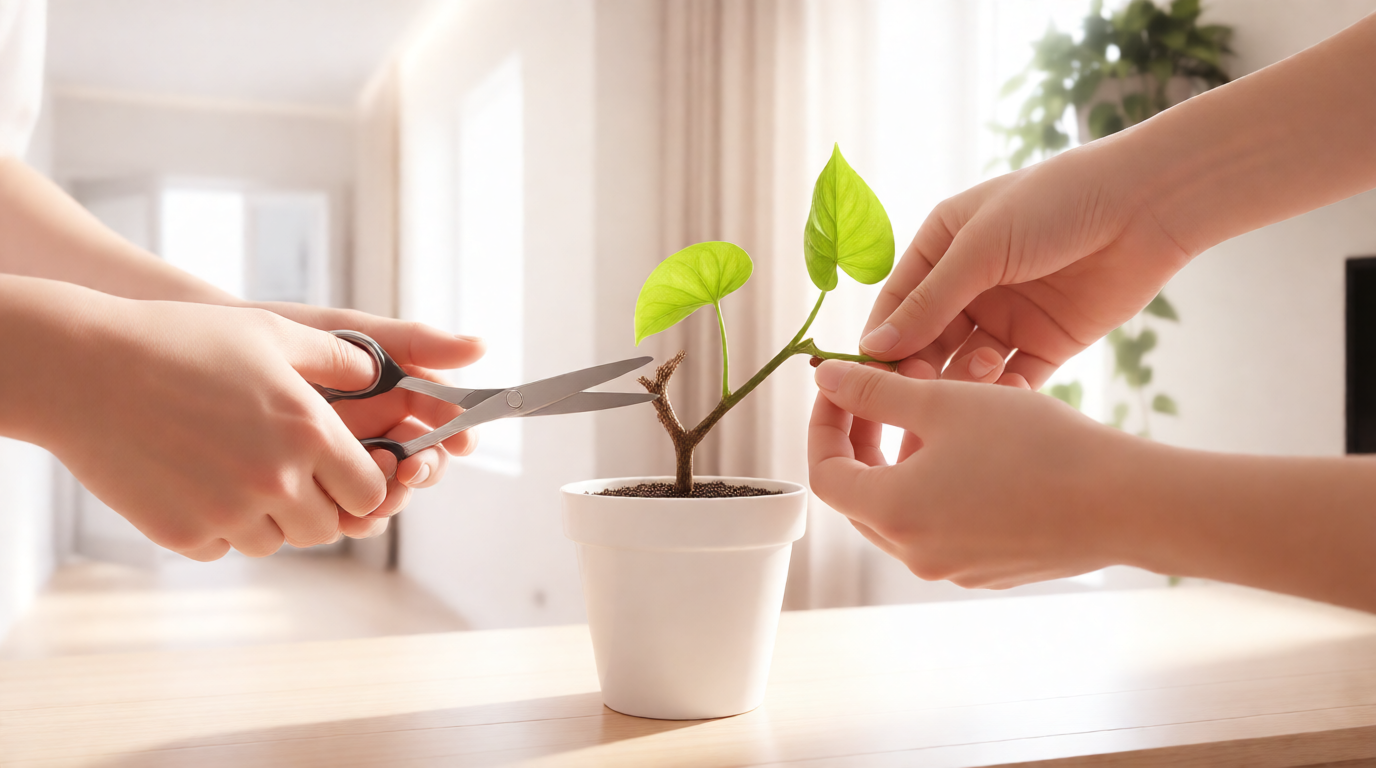
There is a specific kind of heartbreak known only to plant parents. You walk past your favorite indoor plant—the one that used to be lush, green, and vibrant—and notice it looks sad. Maybe the leaves are drooping, the stems look thin, or the color has faded to a sickly yellow.
It is easy to panic. It is easy to assume you have a “black thumb” and toss the plant in the compost bin.
Don’t give up yet.
Plants are incredibly resilient organisms. In nature, they survive droughts, storms, and pest invasions. Inside your home, a “weak” plant is rarely a dead plant; it is usually just a stressed plant asking for help. With the right diagnosis and a bit of patience, you can bring almost any struggling houseplant back from the brink.
In this guide, we will walk you through the emergency room protocols for indoor gardening. We will help you diagnose the silent killers, treat the root causes, and nurse your green friends back to health.
The Triage: Is It Dead or Just Dormant?
Before you start pouring water or chemicals on the plant, you need to determine if there is life left to save. Some plants go dormant in the winter (dropping leaves and looking lifeless) only to bounce back in spring.
To check for life, perform the Scratch Test:
- Find a section of the stem near the base.
- Gently scratch the bark with your fingernail.
- Green and moist underneath: The plant is alive and can be saved.
- Brown and brittle: That part of the stem is dead. Move lower down the stem. If the entire main stem is brown and snaps easily, the plant has likely passed away.
If you see green, you have a patient to save. Let’s get to work.
Step 1: Diagnosing the Problem (The “Why”)
You cannot cure a symptom if you don’t cure the disease. A plant becomes weak for specific reasons. You need to play detective. Look at your plant and match the symptoms to the cause.
The Droop (Thirst vs. Drowning)
If your plant is wilting, it is a water issue. But is it too much or too little?
- Dry + Crispy Leaves: Underwatering. The soil will feel bone dry and may have pulled away from the edges of the pot.
- Yellow + Mushy Leaves: Overwatering. The soil will feel damp or soggy. This is much more dangerous than underwatering.
The Stretch (Etiolation)
Is your plant growing tall, thin, and spindly? Are the leaves growing far apart on the stem?
- Cause: Lack of light. The plant is literally “reaching” for the sun. It is spending all its energy trying to find light, leaving no energy for strong stems or new leaves.
The Fade (Nutrient Deficiency)
If the plant isn’t growing and the leaves are turning a pale green or yellow (but not dropping), it might be starving.
- Cause: Depleted soil. If the plant has been in the same pot for years, it has consumed all available nutrients.
Step 2: The Emergency Protocol for Overwatered Plants
Overwatering is the number one killer of indoor plants. It causes root rot, which suffocates the plant. If your plant is weak, yellow, and the soil is wet, follow these steps immediately.
- Stop Watering: Do not give it another drop.
- Unpot the Plant: You need to see the roots. Gently remove the plant from its container.
- Inspect Roots: Healthy roots are white or tan and firm. Rotting roots are black, slimy, and smell bad.
- Trim the Rot: Using sterilized scissors, cut away all the slimy, black roots.
- Repot: Throw away the wet soil. Wash the pot thoroughly. Repot the plant in fresh, dry, well-draining potting mix.
- Wait: Do not water immediately after repotting. Let the plant settle for a few days to callous over the cut roots.
Step 3: The Emergency Protocol for Underwatered (Dried Out) Plants
If you forgot to water your plant for a month and it looks like a skeleton, don’t just dump a gallon of water on it. The soil has likely become hydrophobic (it repels water). If you water it from the top, the water will run down the sides and miss the roots.
The Solution: Bottom Watering.
- Fill a sink or a large basin with lukewarm water.
- Place the plant pot in the water. The water level should reach halfway up the pot.
- Let it sit for 45 minutes to an hour. The soil will absorb water through the drainage holes (capillary action).
- Once the top of the soil feels damp, remove the pot and let it drain completely.
Step 4: The Haircut (Pruning for Energy)
When a plant is weak, it has a limited amount of energy. It is trying to keep every leaf alive, even the dying ones. You need to help it focus.
Be ruthless. Prune away the damage.
Remove any leaves that are completely brown, yellow, or heavily damaged. These leaves will never turn green again; they are just draining the plant’s resources. By cutting them off, you force the plant to direct its energy toward the healthy roots and new growth.
- Note: Do not remove more than 30% of the plant’s foliage at one time, as this can cause shock.
Step 5: The “Greenhouse Effect” Trick
This is a secret weapon for reviving very weak plants that have lost a lot of leaves or humidity. You want to create a mini-intensive care unit.
- Water the plant lightly.
- Place a clear plastic bag over the entire plant (use chopsticks or stakes to keep the bag from touching the leaves).
- Seal the bag loosely around the pot.
- Place the plant in bright, indirect light (never direct sun, or you will cook it).
This traps humidity and creates a tropical environment. It prevents the plant from losing water through its leaves (transpiration), allowing it to focus entirely on healing. Keep it in the bag for a week or two, airing it out every few days.
The Golden Rule: Do NOT Fertilize!
This is the most common mistake people make. They see a weak plant and think, “It needs food! I will give it extra fertilizer.”
This will kill your plant.
Fertilizer is not medicine; it is food for growth. A weak plant is like a sick person with the flu. You wouldn’t force a sick person to eat a heavy steak dinner; their body can’t handle it.
If you fertilize a stressed plant, the minerals will burn the sensitive roots, causing more damage. Wait until the plant shows signs of new growth (new leaves opening) before you introduce a diluted fertilizer.
Location, Location, Location
Sometimes, a plant is weak simply because it hates its spot in your house.
- Drafts: Is the plant near an air conditioning vent or a drafty window? Cold drafts cause sudden leaf drop.
- Heat: Is it next to a radiator or fireplace? Dry heat will turn leaves crispy.
- Light: Most failing plants need more light, not less. Move the plant closer to a window, but ensure it is filtered light (behind a sheer curtain) so the weak leaves don’t burn.
When to Repot (and When Not To)
Repotting is traumatic for a plant. It causes “transplant shock.”
- Do repot if: The plant has root rot (wet soil) or is severely root-bound (roots growing out of the bottom holes).
- Do NOT repot if: The plant is just drooping or shedding leaves due to a change in location. Repotting a weak plant unnecessarily can be the final nail in the coffin.
Dealing with Pests
Sometimes the weakness is caused by tiny vampires sucking the life out of your plant. Look closely at the underside of the leaves.
- Spider Mites: Look for tiny webbing and speckled leaves.
- Mealybugs: Look for white, cotton-like fluff on the stems.
- Scale: Look for small brown bumps that scrape off.
If you find pests, isolate the plant immediately. Wipe the leaves down with a mixture of water and mild dish soap, or use Neem oil. Treat the plant weekly until the pests are gone.
Conclusion: Patience is the Key
Reviving a weak plant is not an overnight process. It took time for the plant to get weak, and it will take time for it to recover.
You might not see new growth for a month or two. That is okay. As long as the plant isn’t getting worse, it is getting better. It is likely working on fixing its root system underground before it puts out new leaves above ground.
Don’t love your plant to death. Give it the right conditions, remove the stressors, and then—most importantly—leave it alone to heal. With a little care, that sad, drooping stem can become the crown jewel of your indoor jungle once again.