
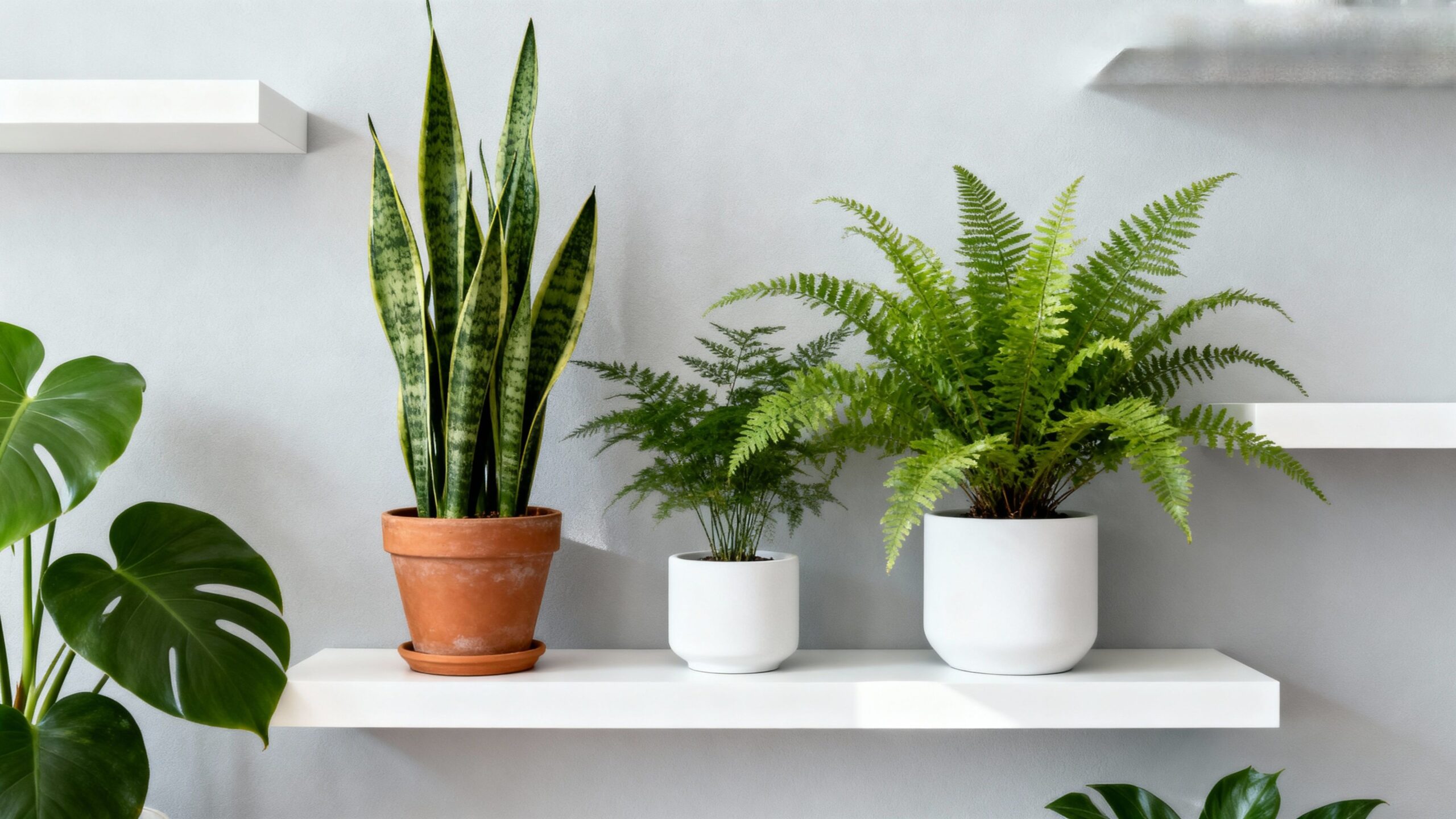
Organizing plants on shelves and bookcases is one of the most effective ways to bring greenery into indoor spaces without sacrificing floor area. When done well, plant styling transforms ordinary shelves into living design features, adding warmth, texture, and balance to any room. Beyond aesthetics, proper organization also helps plants receive the light and airflow they need to stay healthy.
This article will guide you through how to organize plants on shelves and bookcases in a practical, visually appealing, and plant-friendly way. You’ll learn how to choose the right plants, balance design elements, manage light and spacing, and create arrangements that work beautifully in apartments and homes of all sizes.
Why Shelves and Bookcases Are Perfect for Indoor Plants
Shelves and bookcases provide vertical space that often goes unused. Using them for plants allows you to display greenery at different heights, creating depth and visual interest.
They are especially useful in apartments, where floor space is limited. By placing plants on shelves, you keep walkways clear while still enjoying a lush indoor environment.
Shelves also make plant care more convenient, as plants are easy to see, rotate, and monitor.
Understanding Light Conditions on Shelves
Before placing plants on shelves, it’s essential to understand the light available in the room. Light intensity often changes from the top shelf to the bottom.
Upper shelves near windows usually receive brighter light, while lower shelves may be shaded. Choosing plants according to these light levels helps ensure healthy growth.
Observing sunlight throughout the day allows you to match each plant to the most suitable spot.
Choosing the Right Plants for Shelf Displays
Not all plants are ideal for shelves. Compact plants and trailing varieties tend to work best.
Small potted plants like snake plants, ZZ plants, pothos, philodendrons, and peperomias adapt well to shelf environments. Trailing plants soften the structure of shelves and add movement.
Avoid plants that grow too large or require frequent repotting unless you have wide, sturdy shelving.
Mixing Trailing and Upright Plants
A balanced shelf arrangement usually includes both upright and trailing plants. Upright plants add structure, while trailing plants create a relaxed, natural flow.
For example, placing a snake plant or small monstera on a shelf alongside a pothos or philodendron creates contrast and visual harmony.
This combination prevents shelves from looking flat or overly uniform.
Considering Shelf Depth and Weight Capacity
Shelf depth affects how comfortably plants fit. Shallow shelves are best for small pots, while deeper shelves can support larger planters.
Weight capacity is also important. Soil and water add significant weight, especially in ceramic pots.
Always ensure shelves and bookcases are securely anchored and capable of supporting the combined weight of plants and containers.
Choosing the Right Pots for Shelf Organization
Pots play a major role in both plant health and visual consistency. Lightweight pots are ideal for shelves, especially higher ones.
Using pots with drainage holes prevents water buildup. Cache pots can be used for style, but excess water should always be removed.
Maintaining a consistent pot color or material helps create a cohesive look across shelves.
Creating Visual Balance and Flow
Organizing plants on shelves is not just about placing pots randomly. Visual balance makes arrangements feel intentional and pleasing.
Vary plant heights to avoid monotony. Place taller plants toward the sides or back and smaller ones toward the front.
Spacing is also important. Leaving some empty space prevents shelves from feeling cluttered and allows each plant to stand out.
Grouping Plants for Impact
Grouping plants in odd numbers, such as three or five, often looks more natural and visually appealing.
Grouping also helps create microclimates, which can slightly increase humidity and benefit plant health.
Mixing leaf shapes and textures within a group adds depth and interest without overwhelming the space.
Using Books and Decor to Complement Plants
Plants don’t need to stand alone on shelves. Combining them with books and decorative objects creates a layered, lived-in look.
Books can be stacked horizontally to elevate smaller plants. Decorative items like vases, frames, or sculptures can break up greenery and add personality.
The key is moderation. Plants should enhance decor, not compete with it.
Organizing Plants on Tall Bookcases
Tall bookcases offer multiple levels for creative plant placement. Top shelves are ideal for trailing plants that can cascade downward.
Middle shelves work well for medium-sized plants and mixed arrangements. Lower shelves are best for low-light plants or decorative planters.
This vertical distribution creates a dynamic and cohesive display.
Managing Watering on Shelves
Watering plants on shelves requires extra care to avoid spills and damage to furniture.
Some people prefer removing plants from shelves for watering. Others use saucers or waterproof liners to protect surfaces.
Allowing plants to drain fully before returning them to shelves prevents moisture buildup and stains.
Rotating Plants for Even Growth
Plants naturally grow toward light, especially when placed on shelves near windows.
Rotating plants every one to two weeks promotes even growth and prevents leaning or uneven development.
This simple habit also allows you to inspect plants regularly for pests or stress.
Preventing Overcrowding Over Time
As plants grow, shelf arrangements may become crowded. What looks balanced initially can feel cramped months later.
Regularly reassess spacing and prune or relocate plants when necessary.
Allowing room for growth keeps both plants and shelves looking healthy and organized.
Choosing Low-Maintenance Plants for Shelves
If you prefer minimal care, low-maintenance plants are ideal for shelves.
Snake plants, ZZ plants, pothos, and philodendrons tolerate irregular watering and varying light conditions.
These plants are especially suitable for higher or harder-to-reach shelves.
Shelf Organization in Small Apartments
In small apartments, shelves often serve multiple purposes, such as storage and decoration.
Using plants strategically helps soften shelves filled with practical items. Even a few plants can dramatically improve the look of a small space.
Vertical greenery makes rooms feel taller and more open.
Adapting Shelf Plant Arrangements to Different Rooms
Different rooms offer different conditions. Living rooms often provide better light and space for decorative arrangements.
Bedrooms benefit from calming plant choices and uncluttered shelves. Kitchens may support herbs or humidity-tolerant plants.
Bathrooms with shelving can support moisture-loving plants if light is available.
Maintaining a Clean and Healthy Display
Dust accumulates quickly on shelf plants. Regularly cleaning leaves improves appearance and light absorption.
Checking shelves for excess water or fallen soil keeps the area tidy and prevents damage.
A clean display enhances both plant health and overall room aesthetics.
Evolving Your Shelf Design Over Time
Shelf plant arrangements don’t need to be permanent. As your collection grows, layouts can evolve.
Seasonal changes, new plants, or changes in lighting may inspire rearrangement.
Allowing flexibility keeps plant styling enjoyable and creative.
Creating a Harmonious Indoor Green Display
Organizing plants on shelves and bookcases is a practical and stylish way to integrate nature into indoor spaces. With thoughtful plant selection, balanced arrangement, and consistent care, shelves become vibrant focal points rather than simple storage.
By paying attention to light, spacing, and visual flow, you create displays that support plant health and elevate your home’s design. Well-organized shelf plants bring life, comfort, and personality to any indoor environment, proving that greenery truly belongs at every level of your home.