
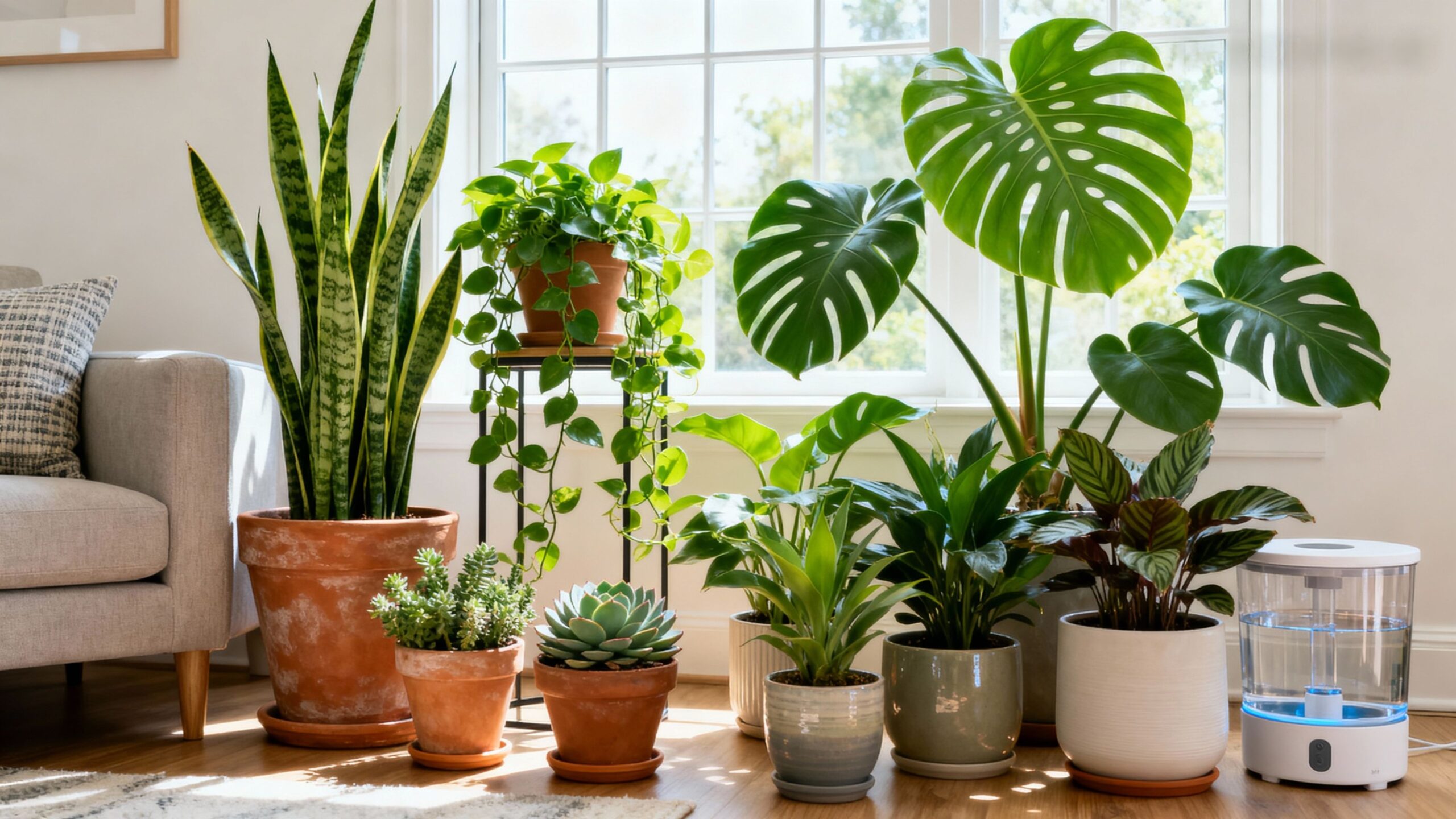
Choosing the right pot is just as important as choosing the right plant. In an apartment, where space, light, and airflow are often limited, the pot plays a crucial role in plant health, growth, and long-term success. The wrong container can cause problems such as root rot, poor growth, and frequent wilting, even if you water and care for the plant correctly.
This article will help you understand how to choose the right pots for apartment plants. You’ll learn about pot materials, sizes, drainage, placement, and practical tips that make indoor plant care easier and more effective.
Why the Right Pot Matters for Indoor Plants
Pots are more than decorative items. They directly affect how water, air, and nutrients reach plant roots.
A well-chosen pot supports healthy root development, proper drainage, and stable growth. A poor pot choice can trap excess water, restrict roots, or dry out soil too quickly.
In apartment environments, where conditions are already controlled and limited, the right pot makes a noticeable difference.
Understanding Drainage and Root Health
Drainage is the most important feature of any plant pot. Most indoor plants need excess water to escape after watering.
Without drainage holes, water collects at the bottom of the pot. This suffocates roots, prevents oxygen absorption, and leads to root rot.
Always choose pots with drainage holes or use a nursery pot inside a decorative cover pot. This allows you to remove excess water easily.
How Pot Size Affects Plant Growth
Pot size has a direct impact on root development and water management. A pot that is too small restricts roots and dries out quickly.
A pot that is too large holds excess moisture, increasing the risk of overwatering and root rot. This is especially common for beginners.
The ideal pot is slightly larger than the plant’s root ball, allowing room for growth without overwhelming the roots.
Signs That a Plant Needs a Bigger Pot
Plants often show clear signs when they outgrow their containers. Roots growing out of drainage holes are a common indicator.
Other signs include frequent wilting, slow growth, and water running straight through the soil without absorption.
When these signs appear, repotting into a slightly larger container helps restore balance.
Choosing Pot Materials for Apartment Living
Different pot materials affect moisture retention, weight, and airflow. Understanding these differences helps you make better choices.
Each material has advantages and drawbacks depending on your apartment conditions and care routine.
Choosing the right material makes maintenance easier and more predictable.
Clay and Terracotta Pots
Terracotta pots are popular because they are breathable. Air and moisture pass through the walls, helping soil dry faster.
These pots are ideal for plants that dislike excess moisture, such as succulents and cacti.
However, terracotta dries out quickly and may require more frequent watering, especially in warm apartments.
Plastic Pots and Their Advantages
Plastic pots are lightweight, affordable, and retain moisture longer than clay pots.
They are great for plants that prefer consistently moist soil and for apartments where plants need to be moved often.
Plastic pots are also less likely to crack, making them practical for long-term indoor use.
Ceramic and Glazed Pots
Ceramic pots are often chosen for their decorative appeal. Glazed ceramic pots retain moisture better than terracotta.
They are suitable for many houseplants but can be heavy, which may limit placement options in small apartments.
Always ensure glazed pots have drainage holes or use them as decorative covers.
Self-Watering Pots for Busy Lifestyles
Self-watering pots are helpful for people with busy schedules. They provide a water reservoir that allows plants to absorb moisture gradually.
These pots reduce the risk of underwatering but still require monitoring to avoid overwatering.
They work best for plants that prefer consistent moisture rather than dry soil.
Choosing Pots Based on Plant Type
Different plants have different pot needs. Matching the pot to the plant type increases success.
Succulents and cacti prefer shallow pots with excellent drainage. Ferns and leafy plants usually prefer deeper containers with consistent moisture.
Understanding these preferences helps prevent common care mistakes.
Matching Pots to Apartment Space
In apartments, space matters. Large pots may look appealing but can overwhelm small rooms.
Compact pots work well for shelves, windowsills, and desks. Tall pots can be used for floor plants in corners.
Choosing pots that fit your available space keeps the apartment organized and functional.
Considering Weight and Mobility
Heavy pots can be difficult to move, especially when filled with soil and plants.
If you rotate plants for light or move them for cleaning, lightweight pots are more practical.
Using plant stands with wheels can also improve mobility in small apartments.
Using Cache Pots for Style and Function
Cache pots are decorative containers without drainage holes that hold a functional nursery pot inside.
This setup allows proper drainage while maintaining a clean, stylish look.
It also makes watering easier, as excess water can be removed after watering.
Matching Pot Style with Interior Design
Pots contribute to apartment decor. Neutral colors blend well with modern interiors, while textured or colorful pots add personality.
Matching pot styles creates visual harmony, especially when grouping plants together.
A consistent style makes your plant collection feel intentional and organized.
Pot Placement and Environmental Factors
Where you place the pot affects plant health. Pots near windows receive more light and heat.
Pots on the floor may experience cooler temperatures. Hanging pots dry out faster due to air circulation.
Understanding placement helps you choose pots that support plant needs in each location.
Avoiding Common Pot Selection Mistakes
One common mistake is choosing pots based only on appearance. Function should always come first.
Another mistake is repotting too often or using pots that are too large.
Taking time to choose the right pot prevents long-term plant stress.
When and How to Repot Apartment Plants
Repotting should be done when plants show signs of being root-bound or when soil quality declines.
Spring is usually the best time to repot, as plants are entering active growth.
Using the right pot size and fresh soil supports healthy recovery after repotting.
Building Confidence in Pot Selection
Choosing pots becomes easier with experience. Observing how plants respond helps you improve future choices.
Not every pot will be perfect, and adjustments are part of the learning process.
Confidence grows as you understand the relationship between pots, soil, and plant health.
Creating a Healthy Foundation for Apartment Plants
The right pot creates a strong foundation for indoor plants. When roots have space, air, and proper moisture, plants grow stronger and more resilient.
By choosing pots based on drainage, size, material, and apartment conditions, you set your plants up for success.
With thoughtful pot selection, apartment plant care becomes simpler, more enjoyable, and far more rewarding.