
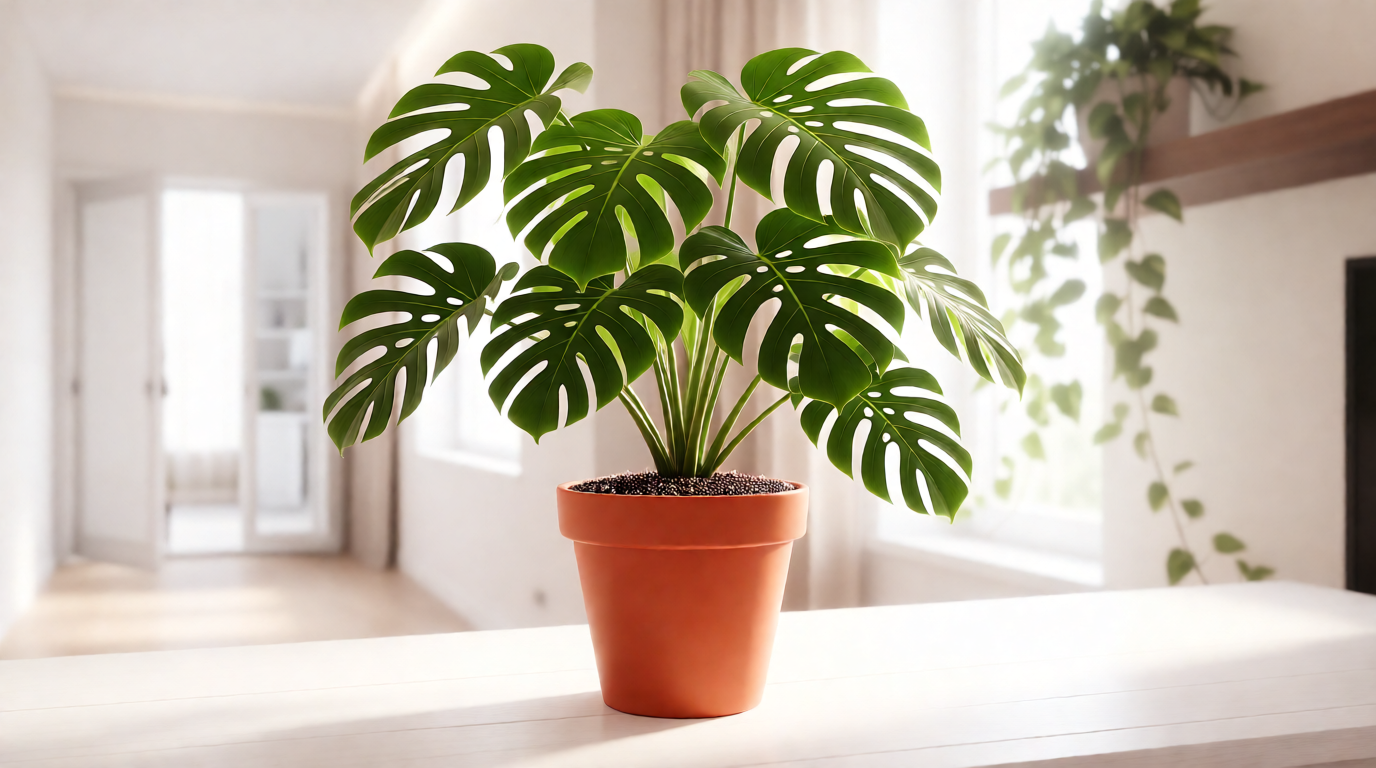
Bringing plants into your home is supposed to purify the air, add aesthetic beauty, and create a calming atmosphere. However, nothing ruins that zen vibe faster than a foul odor drifting from your favorite Monstera or Snake Plant.
If you have noticed a musty, rotten, or sour smell coming from your indoor garden, you are not alone. It is a common issue for plant parents, but it is also a red flag indicating that something is wrong with your plant’s health.
A smelly plant pot is rarely just a nuisance; it is often a cry for help.
In this guide, we will dive deep into the causes of unpleasant odors in potted plants, how to diagnose the specific smell, and, most importantly, actionable steps to fix it and prevent it from returning.
Understanding the “Why”: What Causes the Stench?
Before you can fix the problem, you need to understand what is happening beneath the soil surface. Healthy soil should smell earthy and fresh, like a forest floor after rain. If it smells bad, biological chemistry is working against you.
The vast majority of bad smells in plant pots come from anaerobic decomposition.
In simple terms, beneficial bacteria need oxygen to survive. When the soil becomes waterlogged or too dense, oxygen cannot penetrate the roots. This kills the good bacteria and invites bad bacteria (anaerobic) that thrive in low-oxygen environments. As these bacteria feed on organic matter and rotting roots, they release gases like hydrogen sulfide (which smells like rotten eggs) or ammonia.
Diagnosis: What Does the Smell Resemble?
To treat the issue effectively, give your plant a “sniff test.” The type of odor can tell you exactly what the culprit is.
1. The Rotten Egg Smell
This is the classic scent of root rot. It indicates that the roots are decaying due to overwatering. The smell is caused by hydrogen sulfide gas released by anaerobic bacteria eating the dead root tissue. This is a serious condition that requires immediate action to save the plant.
2. The Musty or Moldy Smell
If the pot smells like an old damp basement or wet laundry, you likely have a fungal issue. This usually happens when the topsoil stays wet for too long, encouraging mold growth on the surface. While less deadly than root rot, it is hazardous to human health if spores spread through your home.
3. The Ammonia or Urine Smell
This is distinct and sharp. It usually comes from one of two sources:
- Excess Nitrogen: You may be over-fertilizing with organic matter that is breaking down too fast.
- Pets: Unfortunately, cats sometimes mistake large plant pots for litter boxes.
The #1 Culprit: Overwatering and Poor Drainage
If we had to point a finger at a single cause for 90% of smelly plants, it is water management.
Beginner gardeners often kill their plants with kindness. They water on a strict schedule (e.g., “every Monday”) rather than checking if the plant actually needs a drink.
The Science of “Wet Feet”
When you water too frequently, the pockets of air within the soil are replaced by water. Roots need to breathe oxygen. If they sit in water for days on end—a condition called “wet feet”—they drown. Once the roots die, they begin to rot immediately.
The Drainage Hole Factor
Does your pot have a drainage hole? If the answer is no, you are creating a swamp, not a habitat.
Without a hole at the bottom, excess water has nowhere to go. It pools at the bottom of the pot, creating a septic tank environment of stagnant water and rotting soil. Even if you put rocks at the bottom (a common myth), the water table still rises and rots the roots.
Soil Quality: The Foundation of Freshness
The type of soil you use plays a massive role in odor control.
Garden soil is too heavy for indoor pots. It packs down tight and suffocates indoor plants. When using soil indoors, you must use a potting mix specifically designed for containers.
However, even potting mixes can degrade over time. Old soil tends to compact, reducing aeration. As organic ingredients (like peat moss or bark) break down, they can turn into a dense sludge that traps water and creates odors.
Pro Tip: If your soil looks dense and muddy even when dry, it lacks aeration. Adding perlite, pumice, or orchid bark can improve airflow and reduce smells.
The Problem with Organic Fertilizers
We all want to be organic, but indoors, this can be smelly business.
Outdoor fertilizers, like fish emulsion, manure, or bone meal, are fantastic for the garden. But outdoors, the wind carries the smell away. Indoors, applying fish emulsion is a recipe for a living room that smells like a fishing pier.
Furthermore, organic fertilizers require microorganisms to break them down into nutrients. If your indoor soil lacks this active ecosystem (which is common in sterile potting mixes), the fertilizer just sits there and rots, causing a sour stench.
For indoor plants, consider using synthetic liquid fertilizers or low-odor organic options designed specifically for houseplants.
Step-by-Step: How to Eliminate the Smell
So, your plant smells bad. How do you fix it? Follow this emergency protocol.
Step 1: Stop Watering Immediately
Put the watering can down. Do not add water to a smelly plant. The soil needs to dry out to kill the anaerobic bacteria and stop the fungal growth. Move the plant to a spot with better air circulation and brighter (indirect) light to speed up evaporation.
Step 2: Unpot and Inspect
If the smell is sulfurous (rotten eggs), you cannot fix it from the surface. You must take the plant out of the pot.
- Gently remove the plant.
- Shake off the old soil.
- Look at the roots. Healthy roots are firm and white/tan. Rotten roots are mushy, slimy, brown, or black, and they will smell terrible.
Step 3: Surgical Trim
Using sterilized scissors (wipe them with rubbing alcohol), cut away all the mushy, rotting roots. Be aggressive; leave only the healthy, firm roots. If you leave rot behind, it will spread.
Step 4: The Hydrogen Peroxide Flush
This is a secret weapon for plant parents. Hydrogen peroxide (3% solution) kills bacteria and fungus while adding oxygen to the soil.
- Mix 1 part 3% hydrogen peroxide with 2 parts water.
- Dip the remaining healthy root system into this solution for a few seconds to kill lingering bacteria.
- Alternatively, if you are not repotting, you can pour this mixture through the soil to kill fungus gnats and larvae, though repotting is safer for bad smells.
Step 5: Repot into Fresh Soil
Do not reuse the old, smelly soil. It is contaminated. Discard it (or compost it outdoors). Wash the pot thoroughly with soap and hot water (or a bleach solution) to kill spores.
- Use a fresh, well-draining potting mix.
- Add extra perlite to ensure this doesn’t happen again.
Preventing Bad Smells: A Maintenance Guide
Once you have saved your plant, you want to ensure the odor never returns. Here are the best practices for keeping your indoor garden smelling fresh.
1. Master the “Finger Test”
Never water on a schedule. Before watering, stick your finger about two inches into the soil.
- If it is damp, wait.
- If it is dry, water.
- If you don’t want to get your hands dirty, invest in a moisture meter. They are cheap and effective.
2. Empty the Saucer
Many plants sit on a saucer to catch runoff. After you water your plant, wait 30 minutes, then empty the saucer. Never let your plant sit in that runoff water. That water is stagnant and is the primary breeding ground for smells and mosquitoes.
3. Choose Terra Cotta Pots
Plastic and glazed ceramic pots are great for moisture-loving plants, but they trap water. Unfinished terra cotta (clay) is porous. It allows air to pass through the walls of the pot, helping the soil dry out evenly and preventing root rot. If you are a “chronic over-waterer,” terra cotta is your best friend.
4. Remove Dead Organic Matter
Fallen leaves and dead flowers on the soil surface will decay and attract mold. Keep the soil surface clean. Think of it as housekeeping for your plant.
5. Allow for Airflow
Stagnant air encourages mold. Ensure your plants aren’t crowded too closely together. A gentle breeze from an open window or a fan helps evaporate excess moisture from the topsoil, preventing the musty mildew smell.
6. Use Activated Charcoal
A great preventative trick is to mix a little horticultural activated charcoal into your potting mix. Charcoal is a natural filter. It absorbs impurities, toxins, and odors, keeping the soil “sweet” and fresh.
Dealing with Mold on Topsoil
If your plant smells musty but the roots are fine, you likely have white fuzz on top of the soil.
- Scrape it off: Use a spoon to remove the top layer of moldy soil.
- Cinnamon: Sprinkle ground cinnamon on the soil surface. Cinnamon is a natural fungicide and smells great.
- Sunlight: UV rays kill mold. Give the soil surface a bit of morning sun (if the plant can tolerate it).
Conclusion
A smelly plant pot is nature’s way of telling you that the balance of your miniature ecosystem is off. It usually comes down to too much water and not enough air.
By adjusting your watering habits, ensuring proper drainage, and using the right soil amendments, you can banish bad odors for good. Not only will your home smell better, but your plants will also reward you with lush, vibrant growth.