
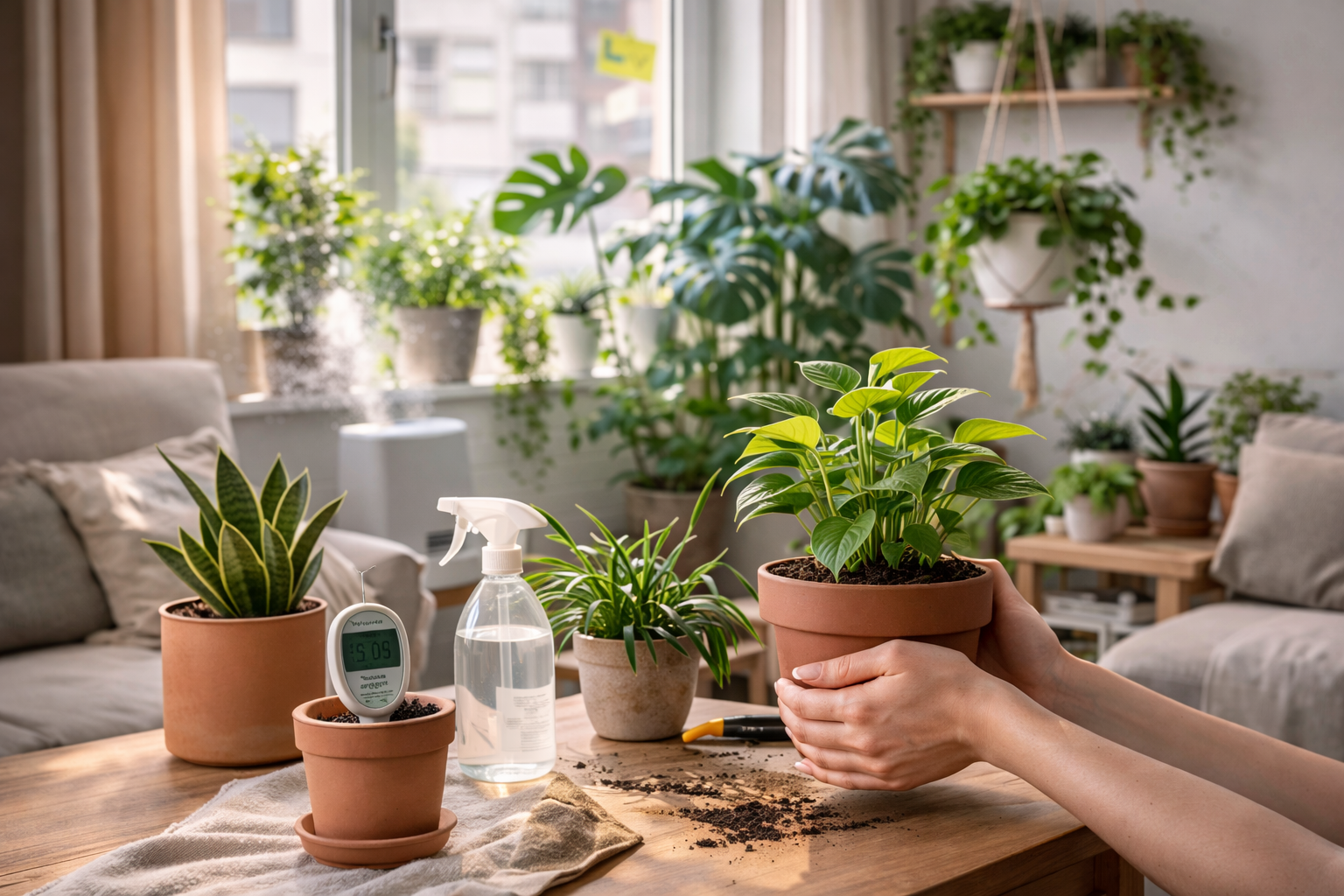
Bringing plants into an apartment is an excellent way to create a healthier, more welcoming living space. However, many people struggle when plants fail to thrive indoors. Leaves may drop, growth may slow, or plants may seem stressed for no clear reason. In most cases, the issue is not poor care, but a lack of proper adaptation to the apartment environment.
This comprehensive guide explains how to help plants successfully adapt to apartment living. You will learn how plants respond to new environments, what factors influence adaptation, and how to create the right conditions so plants grow strong, stable, and resilient indoors. The information is practical, beginner-friendly, and fully aligned with Google AdSense content guidelines.
Understanding Plant Adaptation Indoors
When a plant is moved into an apartment, it experiences a major environmental change. Factors such as light intensity, airflow, humidity, and temperature often differ greatly from its previous location.
Adaptation is the process by which a plant adjusts to these new conditions. During this time, growth may slow, and minor leaf loss can occur. This is normal and does not necessarily mean the plant is unhealthy.
Understanding that adaptation takes time helps set realistic expectations and prevents unnecessary stress for both you and the plant.
Why Apartment Environments Can Be Challenging for Plants
Apartments offer controlled environments, but they also come with limitations. Natural light may be reduced by neighboring buildings, windows may face only one direction, and airflow is often limited.
Indoor heating and air conditioning can create dry air and temperature fluctuations. These factors can challenge plants that are accustomed to outdoor or greenhouse conditions.
The key to success is not changing the plant, but adjusting the environment and care routine to meet its needs.
Choosing Plants That Adapt Well to Apartments
Some plants adapt more easily to apartment living than others. Species that tolerate low light, stable indoor temperatures, and moderate humidity are generally the best choice.
Plants such as pothos, snake plants, ZZ plants, philodendrons, and peace lilies are known for their adaptability. They respond well to gradual changes and are forgiving of small care mistakes.
Starting with adaptable plants increases your chances of long-term success and builds confidence.
Allowing Plants Time to Adjust
One of the most important steps in helping plants adapt is patience. Plants do not adjust overnight.
After bringing a plant home, avoid immediately repotting, fertilizing, or moving it multiple times. Too many changes at once can increase stress.
Place the plant in a suitable location and allow it several weeks to acclimate before making adjustments.
Finding the Right Light Conditions
Light is one of the most critical factors in plant adaptation. Too little light weakens plants, while too much direct sunlight can cause leaf burn.
Observe how sunlight moves through your apartment during the day. Identify areas with bright indirect light, moderate light, and low light.
Match plants to these areas based on their specific needs. Proper light placement significantly improves adaptation.
Gradually Introducing Plants to Brighter Light
If a plant requires brighter conditions, it should be introduced gradually. Sudden exposure to strong sunlight can shock leaves and cause damage.
Start by placing the plant in filtered or indirect light, then slowly move it closer to the light source over one to two weeks.
This gradual approach allows the plant to adjust safely.
Managing Watering During the Adaptation Period
Watering habits often need adjustment when plants move indoors. Indoor environments usually cause soil to dry more slowly than outdoors.
Overwatering is one of the most common mistakes during adaptation. Even if a plant looks stressed, watering too frequently can worsen the problem.
Always check soil moisture before watering and allow plants to dry slightly between waterings unless they prefer constant moisture.
Understanding Changes in Growth Patterns
It is normal for plants to slow their growth while adapting. Some plants may pause growth entirely for a short period.
This does not mean the plant is failing. It is conserving energy while adjusting to new conditions.
Avoid fertilizing heavily during this phase, as plants are not ready for accelerated growth.
Controlling Temperature and Drafts
Apartments often have stable temperatures, but drafts from doors, windows, heaters, and air conditioning can create stress.
Most indoor plants prefer consistent temperatures without sudden changes. Avoid placing plants near radiators, vents, or drafty windows.
A stable temperature supports root health and smoother adaptation.
Improving Indoor Humidity Levels
Many plants originate from humid environments. Apartments, especially those with heating or air conditioning, often have dry air.
Low humidity can cause leaf edges to brown or curl, slowing adaptation. Grouping plants together helps create a more humid microclimate.
Water trays, gentle misting, or humidifiers can also support healthier adjustment.
Choosing the Right Pot and Soil
The pot and soil play a major role in adaptation. Pots with drainage holes prevent water buildup and root damage.
Using high-quality, well-draining potting mix improves oxygen flow to roots, which is essential during the adjustment period.
Avoid repotting immediately unless the plant is severely root-bound. Let it adapt first.
Minimizing Stress from Frequent Movement
Moving plants repeatedly around the apartment can slow adaptation. Each new location changes light, temperature, and airflow.
Once you choose a suitable spot, allow the plant to settle. Observe its response before making changes.
Stability helps plants adjust more efficiently.
Recognizing Normal vs. Problematic Signs
Some signs, such as minor leaf drop or slower growth, are normal during adaptation. However, persistent yellowing, mushy stems, or strong odors from the soil indicate problems.
Learning to distinguish normal adjustment from serious issues helps you respond correctly.
When in doubt, make small changes rather than drastic ones.
Supporting Root Health During Adaptation
Roots are responsible for water and nutrient absorption. Healthy roots are essential for successful adaptation.
Avoid compacting soil and ensure proper drainage. Gentle care below the surface supports visible growth above.
Healthy roots allow plants to adjust more confidently to indoor conditions.
Cleaning Leaves to Improve Efficiency
Dust builds up quickly indoors and blocks light absorption. Cleaning leaves helps plants make better use of available light.
Use a damp cloth to gently wipe leaves, especially during the adaptation period.
Cleaner leaves improve photosynthesis and overall plant strength.
Creating a Consistent Care Routine
Consistency is more important than perfection. Plants adapt best when care routines are predictable.
Set a regular schedule to check soil moisture, light exposure, and plant appearance.
Avoid reacting to every small change. Observation over time provides better guidance.
Adjusting Care Based on Plant Feedback
Plants communicate through their appearance. Upright stems, new leaves, and stable color indicate successful adaptation.
Drooping, discoloration, or stunted growth suggest adjustments may be needed.
Respond thoughtfully and gradually to these signals.
Long-Term Benefits of Proper Adaptation
Once plants successfully adapt to apartment living, they become more resilient and easier to care for.
Adapted plants require fewer adjustments and respond better to seasonal changes.
This creates a more enjoyable and rewarding indoor gardening experience.
Helping Plants Thrive in Apartment Living
Helping plants adapt to an apartment environment is a process built on patience, observation, and thoughtful care. By understanding how plants respond to indoor conditions and adjusting light, water, humidity, and placement gradually, you create an environment where plants can thrive.
With the right approach, apartment plants grow stronger over time, becoming lasting companions that bring beauty, comfort, and life into your home. Proper adaptation is not about forcing growth, but about creating balance—one thoughtful step at a time.