
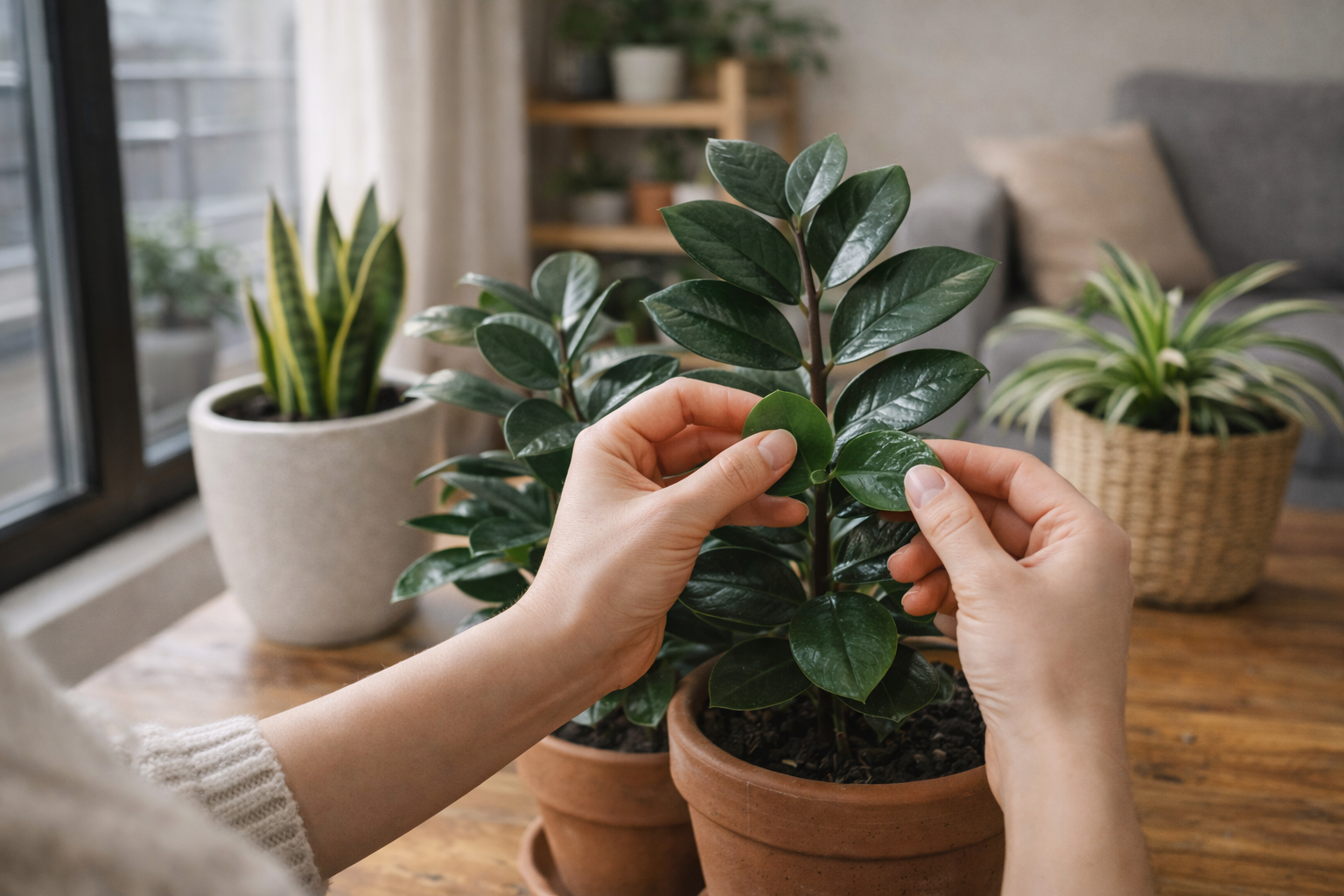
Indoor plants bring life, beauty, and comfort to any home, but they can sometimes attract unwanted visitors. Pests are one of the most common problems faced by people who grow plants indoors, especially in apartments where airflow is limited and plants are kept close together.
The good news is that most indoor plant pests can be prevented with simple habits and careful observation. By understanding why pests appear and how to stop them before they spread, you can keep your plants healthy without stress or harsh solutions.
This article explains how to prevent pests on indoor plants using practical, safe, and effective strategies suitable for any home environment.
Why Indoor Plants Attract Pests
Pests are usually attracted to plants that are stressed or growing in unbalanced conditions. Indoors, small mistakes can quickly create the perfect environment for insects.
Common reasons pests appear include:
- Excess moisture in the soil
- Poor air circulation
- Dusty leaves
- Overcrowded plants
- Weak or stressed plants
Healthy plants are naturally more resistant to pests, which makes prevention the most important step.
Understanding the Most Common Indoor Plant Pests
While indoor plants are less exposed than outdoor plants, certain pests adapt very well to indoor environments.
The most common indoor plant pests include:
- Small insects that live on leaves or stems
- Pests that hide in the soil
- Tiny insects that feed on plant sap
These pests spread quickly when conditions are favorable, which is why early prevention matters.
The Importance of Healthy Growing Conditions
Strong, healthy plants are far less attractive to pests. Most infestations begin when plants are already weakened.
To keep plants strong:
- Provide appropriate light
- Water correctly
- Use well-draining soil
- Avoid sudden environmental changes
Balanced care is the foundation of pest prevention.
Avoiding Overwatering to Prevent Pests
Excess moisture is one of the main causes of indoor pest problems. Wet soil creates an ideal environment for insects to reproduce.
To avoid overwatering:
- Check soil moisture before watering
- Allow the top layer of soil to dry
- Use pots with drainage holes
Drying cycles help break pest life cycles naturally.
Choosing the Right Soil and Pots
Poor-quality soil or pots without drainage often hold too much moisture, which attracts pests.
Best practices include:
- Using fresh, clean potting soil
- Avoiding reused soil without proper cleaning
- Choosing pots with proper drainage
Healthy soil supports strong roots and discourages insects.
Keeping Leaves Clean and Dust-Free
Dusty leaves reduce plant health and provide hiding spots for pests.
To keep leaves clean:
- Wipe them gently with a damp cloth
- Clean leaves every few weeks
- Avoid using chemical sprays indoors
Clean leaves improve airflow and make pests easier to spot.
Proper Plant Spacing and Air Circulation
Plants placed too close together create humid pockets where pests thrive.
To improve airflow:
- Leave space between plants
- Avoid clustering too many plants together
- Occasionally ventilate rooms
Good circulation reduces moisture buildup and pest activity.
Inspecting Plants Regularly
Regular inspection helps you detect pests before they become a serious problem.
When inspecting plants:
- Check the undersides of leaves
- Observe stems and soil surface
- Look for unusual spots or residue
Early detection allows quick, simple action.
Quarantining New Plants Before Bringing Them Home
New plants are one of the most common sources of indoor pests.
Before placing new plants with others:
- Keep them separate for a short period
- Inspect leaves and soil carefully
- Monitor for changes
This simple habit prevents pests from spreading to healthy plants.
Avoiding Overcrowded and Weak Growth
Plants that grow too densely or stretch due to low light are more vulnerable to pests.
To prevent weak growth:
- Provide adequate light
- Prune overcrowded stems
- Rotate plants for balanced growth
Strong structure helps plants resist infestations.
Watering Practices That Discourage Pests
How you water plants matters as much as how often you water.
Helpful watering habits:
- Water at the base of the plant
- Avoid wetting leaves unnecessarily
- Empty saucers after watering
Dry leaf surfaces reduce pest attraction.
Removing Dead Leaves and Debris
Decaying plant material attracts pests and encourages reproduction.
To reduce risk:
- Remove yellow or dead leaves promptly
- Keep the soil surface clean
- Avoid letting debris accumulate
Clean surroundings reduce pest hiding spots.
Using Natural Prevention Methods
Many pest issues can be avoided without strong products.
Natural prevention methods include:
- Maintaining proper humidity levels
- Improving light exposure
- Keeping consistent care routines
Prevention through balance is safer and more effective long-term.
Monitoring Soil Health
Soil problems often lead to pest issues.
Healthy soil should:
- Drain well
- Smell fresh
- Not remain constantly wet
If soil smells unpleasant, pests may already be present.
Avoiding Excess Fertilizer
Too much fertilizer can weaken plants and attract pests.
To fertilize safely:
- Use diluted fertilizer
- Fertilize only during active growth
- Avoid fertilizing stressed plants
Balanced nutrition supports pest resistance.
Responding Quickly to Early Signs
If pests do appear, quick action prevents spread.
Early signs may include:
- Sticky residue on leaves
- Small moving insects
- Discolored or curled leaves
Immediate isolation of affected plants is important.
Cleaning Pots and Tools
Dirty pots and tools can carry pests from one plant to another.
Good hygiene practices include:
- Cleaning pots before reuse
- Wiping tools after use
- Avoiding shared water trays
Clean equipment reduces contamination risk.
Maintaining Consistent Indoor Conditions
Sudden changes in temperature or humidity stress plants, making them vulnerable.
To maintain stability:
- Keep plants away from drafts
- Avoid placing plants near heaters or air conditioners
- Maintain moderate humidity
Stable environments support plant health.
Understanding That Prevention Is Ongoing
Pest prevention is not a one-time action. It requires consistency and observation.
Successful prevention includes:
- Regular care
- Routine inspections
- Adjustments as needed
Small habits make a big difference over time.
Building Confidence as a Plant Caregiver
As you gain experience, preventing pests becomes easier and more intuitive.
You’ll learn to:
- Recognize early warning signs
- Adjust care naturally
- Maintain healthy plants effortlessly
Confidence grows with observation and practice.
Creating a Pest-Resistant Indoor Garden
A pest-resistant indoor garden is built on healthy plants, clean surroundings, and balanced care. When plants receive proper light, water, and airflow, pests struggle to survive.
With simple prevention strategies and consistent habits, you can enjoy beautiful indoor plants without worrying about infestations, creating a calm, healthy, and welcoming living space.