
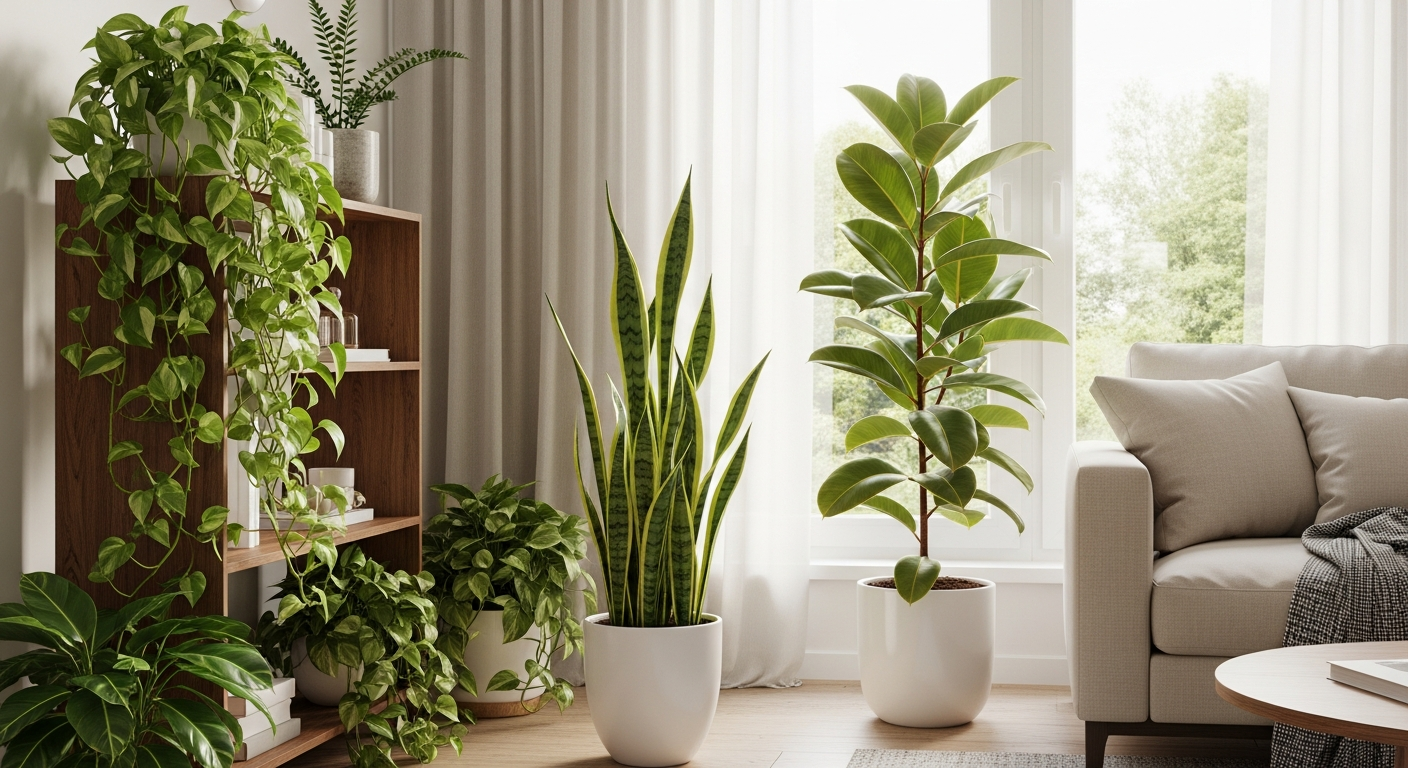
Living in an apartment often means compromising on space, but it should never mean compromising on nature. For many urban dwellers, the desire to cultivate a lush indoor jungle is strong, yet it clashes with the reality of busy schedules, limited natural light, and a lack of gardening experience.
Fortunately, you do not need a green thumb or a massive backyard to enjoy the benefits of indoor greenery. Nature offers a wide variety of resilient, forgiving plants that actually thrive in apartment settings. These botanical warriors can withstand erratic watering schedules, dry air, and shadowy corners.
In this guide, we will explore the best low-maintenance plants for apartments. We will not only list them; we will dive deep into why they work, how to care for them, and how to ensure they thrive with minimal effort.
Why Bring Plants into Your Apartment?
Before we dig into the soil, it is essential to understand the value these plants bring to your home. It goes beyond simple aesthetics.
Air Purification: Many studies, including those by NASA, suggest that common houseplants can remove toxins from the air, such as formaldehyde and benzene, which are often found in furniture and paint.
Mental Health: Being around greenery reduces stress. caring for a living thing provides a sense of purpose and routine, which can be incredibly grounding in a fast-paced city environment.
Acoustics: In apartment buildings, noise is a common issue. Plants with large surface areas can actually help absorb sound, reducing the echo in rooms with hardwood floors.
Understanding Your Apartment’s Environment
To succeed with low-maintenance plants, you must first assess your space. Even the toughest plant will struggle if placed in the wrong environment.
Light Availability:
Most apartments do not have light flooding in from all sides.
- Low Light: North-facing windows or corners far from windows.
- Medium Light: East or West-facing windows.
- Bright Indirect Light: South-facing windows with sheer curtains.
Humidity:
Apartments, especially those with central heating or air conditioning, tend to be dry. Some tropical plants hate this, but the ones on our list will tolerate it well.
Top 10 Low-Maintenance Plants for Apartments
Here are the champions of the indoor plant world. These selections are chosen for their resilience, size appropriateness for apartments, and forgiving nature.
1. The Snake Plant (Sansevieria trifasciata)
The Snake Plant, also known as “Mother-in-Law’s Tongue,” is arguably the hardest plant to kill. It grows vertically, making it perfect for tight corners in small apartments.
- Why it’s great: It can go weeks without water. In fact, it prefers to be ignored.
- Light: Thrives in almost any light, from low light to direct sun.
- Water: Water only when the soil is completely dry. In winter, you might only water it once a month.
- Bonus: It is one of the few plants that releases oxygen at night, making it an excellent bedroom companion.
2. The ZZ Plant (Zamioculcas zamiifolia)
If you travel frequently for work, the ZZ plant is your best friend. It has waxy, deep green leaves that reflect light, brightening up dim rooms.
- Why it’s great: It grows from rhizomes (potato-like tubers) that store water, allowing it to survive drought.
- Light: Can tolerate extremely low light conditions, including windowless bathrooms (if the door is left open occasionally).
- Water: Very sparse. Overwatering is the only way to kill it.
- Warning: It is toxic if ingested, so keep it away from curious pets.
3. Pothos (Epipremnum aureum)
Also known as “Devil’s Ivy” because it is nearly impossible to kill, the Pothos is a trailing vine that looks stunning on bookshelves or in hanging baskets.
- Why it’s great: It is highly communicative. When it needs water, it droops slightly. Once watered, it perks right back up.
- Light: Prefers moderate light but tolerates low light. However, variegated versions (leaves with white or yellow streaks) may lose their color in the dark.
- Water: Let the top inch of soil dry out between waterings.
4. The Spider Plant (Chlorophytum comosum)
This is a classic for a reason. The Spider Plant adds a fun, grassy texture to a room and is incredibly safe for everyone in the household.
- Why it’s great: It reproduces easily. It shoots out “spiderettes” (baby plants) that you can cut off and plant in new pots to give to friends.
- Light: Bright, indirect light is best.
- Water: Keep soil slightly moist but not soggy.
- Pet Safety: This is a non-toxic plant, making it safe for cats and dogs.
5. The Rubber Plant (Ficus elastica)
If you want a “statement plant” or a floor plant that creates a focal point, the Rubber Plant is the answer. It has large, glossy leaves that can range from deep green to burgundy.
- Why it’s great: It grows tall without getting too wide, saving floor space.
- Light: Needs bright, indirect light. Unlike the Snake Plant, this one needs to be near a window.
- Water: Keep the soil moist in the growing season (summer) and drier in the winter. Wipe the leaves with a damp cloth to keep them shiny and dust-free.
6. The Cast Iron Plant (Aspidistra elatior)
True to its name, this plant is as tough as cast iron. It was a favorite in Victorian era homes because it could survive the fumes from coal and gas lighting.
- Why it’s great: It is virtually indestructible. It handles temperature fluctuations, drafts, and neglect better than almost any other plant.
- Light: Low to medium light. Direct sun will burn its leaves.
- Water: It is drought tolerant. Water it moderately.
7. Aloe Vera
Practical and pretty, Aloe Vera is a succulent that serves a purpose. It is perfect for a kitchen windowsill.
- Why it’s great: The gel inside the leaves soothes minor burns and cuts. It’s like having a living first-aid kit.
- Light: Needs bright, sunny spots. It will not thrive in a dark corner.
- Water: deeply but infrequently. Allow the soil to dry out completely.
8. The Peace Lily (Spathiphyllum)
If you want flowers without the hassle of a high-maintenance bloom, the Peace Lily is ideal. It features dark green leaves and elegant white “flowers” (actually modified leaves).
- Why it’s great: It is a drama queen. It will collapse dramatically when thirsty, signaling you to water it. Within an hour of watering, it stands tall again.
- Light: Low to medium light.
- Water: Keeps the soil consistently moist. It loves higher humidity, so it’s great for bathrooms.
9. Chinese Evergreen (Aglaonema)
This plant offers incredible variety in leaf patterns, often featuring silver, pink, or red speckles. It brings a pop of color without needing flowers.
- Why it’s great: It is incredibly forgiving of poor lighting and dry air.
- Light: Low to medium indirect light.
- Water: Water when the top soil is dry. It grows slowly, meaning you won’t need to repot it often.
10. Jade Plant (Crassula ovata)
Looking for a miniature tree? The Jade plant is a succulent with thick, woody stems and oval leaves. In Feng Shui, it is considered a symbol of good luck and prosperity.
- Why it’s great: It lives for a very long time—sometimes decades. It grows slowly and requires very little grooming.
- Light: Needs direct sunlight for at least a few hours a day.
- Water: As a succulent, it stores water in its leaves. Water only when the soil is bone dry.
Essential Care Tips for the Busy Plant Parent
Even low-maintenance plants have basic needs. Follow these three golden rules to ensure your apartment garden survives.
The Rule of Drainage
The number one killer of indoor plants is overwatering. Most apartments come with decorative pots that lack holes at the bottom.
Do not plant directly into these pots. Keep your plant in its plastic nursery pot (which has holes) and place that inside the decorative pot. When you water, take the plastic pot to the sink, let the water run through, and place it back only when it stops dripping. Roots sitting in stagnant water will rot.
Dusting is Key
In an apartment, dust accumulates quickly. A layer of dust on plant leaves blocks sunlight, preventing photosynthesis.
Once a month, take a damp cloth and gently wipe the leaves of your plants. This not only helps them breathe but also keeps pests away and makes the plant look vibrant.
Feeding Your Plants
Because your plant is in a pot, it cannot seek out nutrients in the ground. However, low-maintenance plants are light eaters.
You do not need complicated fertilizer schedules. Simply buy a standard liquid houseplant fertilizer. Dilute it to half-strength and use it once in the spring and once in the summer. Avoid fertilizing in the winter when the plant is dormant.
Common Mistakes to Avoid
Moving Plants Too Often:
Plants acclimate to their spot. Moving them from a dark bedroom to a bright living room can shock them. Find a spot and stick to it unless the plant is clearly unhappy.
Ignoring Pests:
Apartments are not immune to pests like spider mites or fungus gnats. If you see sticky residue on leaves or tiny webs, isolate the plant immediately to protect the others. Wipe it down with Neem oil or insecticidal soap.
Repotting Too Soon:
Most plants purchased from nurseries are fine in their pots for a year or two. Repotting causes stress. Only move a plant to a larger pot if you see roots growing out of the bottom drainage holes.
Conclusion: Start Small
Creating a green oasis in your apartment does not happen overnight. The key to low-maintenance gardening is to start small. Choose one or two plants from this list—perhaps a Snake Plant for the bedroom and a Pothos for the living room.
Learn their language. Watch how they react to the light in your apartment. Once you gain confidence and keep them alive for a few months, you can expand your collection.
Plants bring life, fresh air, and tranquility to apartment living. By choosing the right varieties, you can enjoy all the benefits of nature without the stress of high-maintenance care. Your urban jungle awaits.